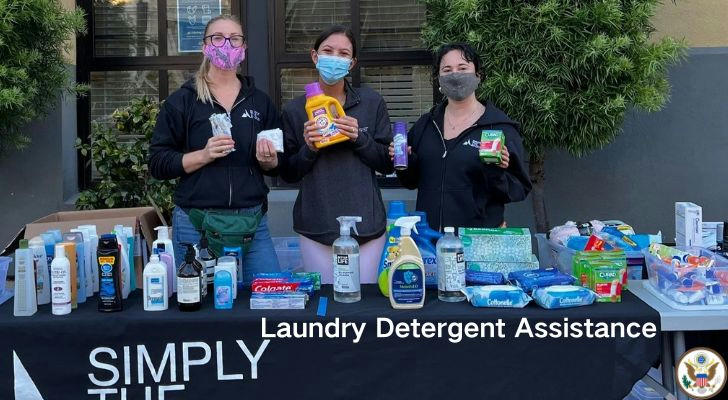
💡 The Financial Strain of Basic Household Necessities on Low-Income Families
For many low-income households, even the basics—laundry detergent, soap, or shampoo—can stretch a family budget to its limit. Data shows that programs like the Supplemental Nutrition Assistance Program (SNAP) do not cover non-food essentials such as personal hygiene products and cleaning supplies.
• As a result, parents may be forced to make difficult choices between paying for laundry detergent or other pressing expenses, often sacrificing clean clothes.
• According to information from community support centers, this can impact children’s confidence in school and adults’ ability to feel presentable at work.
The social cost of going without these items is significant and often underestimated.
📝 Laundry Detergent Assistance Programs for Low-Income Families & Seniors
Community Laundry Day (Beauty Initiative Inc.)
Hosts regular, community laundry events that provide detergent, dryer sheets, and hands-on laundry guidance. Trained volunteers offer one-on-one support to seniors and people with limited mobility, helping them operate washers and dryers safely and efficiently. Beyond practical laundry help, these events foster community connection and social support, turning a daily chore into a chance for vulnerable groups to interact and build networks.
Salvation Army
Provides laundry detergent and clothing support at its community centers, with a focus on low-income families and elderly individuals. What sets this program apart is its comprehensive care model: laundry assistance is paired with other critical services like food pantry distribution, emergency financial aid, and clothing donations. This all-in-one support system addresses multiple needs of struggling households, creating a safety net for those facing economic instability.
What is Laundry Detergent Assistance?
Laundry detergent assistance programs are community-driven initiatives launched. nonprofit organizations and local service groups, designed to help low-income families, seniors with limited mobility, and vulnerable households access affordable essential cleaning supplies and reduce daily household burdens. They mainly provide:
🤝 One-on-one volunteer support and supply access guidance – helping eligible recipients navigate program requirements and maximize the benefits of these vital assistance resources
🏪 Community laundry services and regular laundry day events – offering access to laundromat facilities and making laundry tasks more accessible for those without in-home equipment
🧼 Laundry detergent, dryer sheets, and stain removers – tailored to the needs of budget-strapped families and elderly individuals living on fixed incomes
Beyond Detergent: Comprehensive Support Services for Families in Need
The Salvation Army’s support extends far beyond laundry detergent. Through its Personal Care Pantry, families can access a range of vital supplies, including toothpaste, soap, cleaning products, vitamins, and even diapers.
• These items, although often excluded from food assistance benefits, are essential for health and hygiene.
Additional programs complement this support:
🔹Material assistance for rent or utilities
🔹Drive-thru food pantries with monthly staples
🔹Special seasonal help like back-to-school supplies
These multi-layered services demonstrate a holistic approach—addressing not just one need, but the overlapping challenges that low-income families regularly face.
👨 Needs of different age groups
|
Age Group |
Key Characteristics & Needs for Laundry Assistance |
|
55–65 years old |
Newly retired or in the early fixed-income stage; needs regular laundry support for seniors to sustain daily routines without financial pressure. |
|
65–75 years old |
With reduced mobility; accessible laundry assistance services help cut down physical effort and streamline the laundry process. |
|
75–85 years old |
Living with chronic illness or limited mobility; community-based laundry programs are highly practical and eliminate the burden of self-service laundry. |
|
85+ years old |
Relies on family or community caregivers; professional laundry aid ensures clean clothing and preserves senior dignity and quality of life. |
Overall, laundry assistance empowers seniors to maintain personal hygiene, retain independence, and enjoy a more comfortable lifestyle.
The Impact of Community Care in Restoring Stability and Dignity
Community care is about more than supplies—it’s about restoring hope and self-worth. Clean clothes might seem simple, but they play a large role in how families experience daily life and interact with others.
• Parents report that when their children have clean clothes and the right supplies for school, confidence and participation improve.
• Programs that provide this kind of support prove essential, especially as economic challenges persist nationwide.
The Salvation Army’s targeted initiatives ensure that families are not just surviving, but regaining control, dignity, and the foundation to pursue better opportunities.
📌 How to Apply for Laundry Detergent Assistance
Contact local community centers or hygiene product banks, such as Simply the Basics
Locate Laundry Love branches and check available services by zip code
Apply for laundry detergent or laundry services through the AARP Foundation or other nonprofit organizations
Call 211 community helpline to find local laundry supply programs
Visit churches or charitable organizations and participate in community laundry day events to access detergent
Laundry detergent, water, and electricity bills can add up to a significant expense. Community laundry programs not only provide practical cleaning supplies but also offer access to public laundry facilities, greatly reducing people's financial burden. Best of all, there's no need to lug large items of clothing to the laundromat anymore. The whole process is simple and convenient, making life easier and giving people more time to pursue their hobbies.
🎯 Summary
laundry detergent assistance programs are a critical support source for seniorsand low-income households. Local nonprofit organizations and community initiatives help eligible individuals maintain basic personal hygiene, lower household living expenses, and access genuine community care. Securing these essential resources enables people to enjoy a more convenient daily life and preserve their sense of dignity.