Colon Cancer Symptoms: 5 Warning Signs and 3 Lunches That Can Help Prevent It
Discover the five key symptoms that may signal colon cancer and learn from a cancer dietitian about three simple, nutrient-packed lunches that could help prevent it. Understand your risks, prevention strategies, and when to talk to your doctor to protect your colon health.

Understanding Colon Cancer and Why Early Action Matters

Colon cancer, also known as colorectal cancer, develops in the large intestine and is one of the most common cancers worldwide. The good news is that when detected early, it’s highly treatable. Awareness of the early symptoms and proactive prevention can save lives. According to the National Cancer Institute, regular screening and lifestyle changes significantly reduce colon cancer risk.

Because symptoms can develop gradually, many people overlook the early warning signs. Recognizing these red flags quickly can be the difference between early detection and advanced disease. Below are five key symptoms you should never ignore and proactive dietary steps a cancer dietitian recommends to help keep your colon healthy.

Five Symptoms You Should Not Ignore

If you experience any of these five symptoms, speak to your healthcare provider as soon as possible. They don’t always mean colon cancer—but getting checked early is crucial.

While other conditions can cause these symptoms, only a medical evaluation can confirm the cause. If you have any of these symptoms—especially if they persist—it’s essential to schedule a colon screening. The Centers for Disease Control and Prevention outlines screening options such as colonoscopy and stool-based tests starting as early as age 45.

Three Dietitian-Recommended Lunches That Could Help Prevent Colon Cancer

A major part of colon cancer prevention starts in the kitchen. Research supports that a diet rich in fiber, plant-based foods, and certain nutrients may reduce the risk of colon cancer. A cancer dietitian shares three practical lunches designed to promote colon health and reduce long-term risk.

1. Mediterranean Grain Bowl

Combine quinoa, chickpeas, spinach, cherry tomatoes, cucumber, and olive oil. This fiber-filled bowl supports healthy digestion and provides antioxidants that help neutralize harmful free radicals.

2. Lentil and Vegetable Soup

Lentils are a top plant-based protein packed with soluble fiber. Adding carrots, celery, and kale increases the intake of vitamins A and K, which support colon lining health and immune function.

3. Salmon and Avocado Salad Wrap

Salmon supplies omega-3 fatty acids, which may reduce inflammation in the digestive tract. Pairing it with avocado and whole-grain wraps adds heart-healthy fats and essential fiber for better colon health.

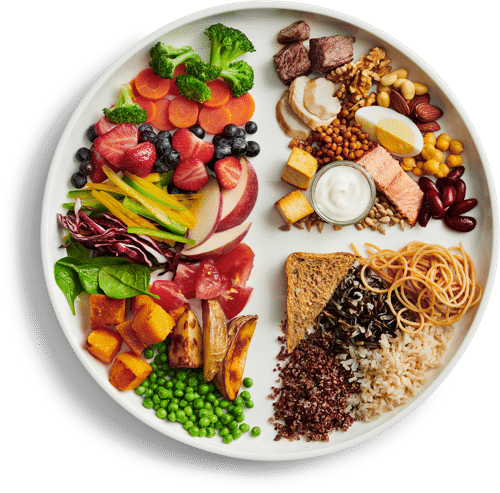
Maintaining balance matters—include lean proteins, colorful vegetables, and fiber-rich grains while limiting processed meats and refined sugars, which the World Health Organization identifies as risk contributors to colorectal cancer.

Additional Symptoms to Watch Carefully

Beyond the five major warning signs, some people report less obvious symptoms. If you notice these, discuss them with your doctor:

If you observe any of these along with other warning signs, do not delay medical advice. The American Cancer Society provides detailed symptom descriptions and recommendations for when to see a doctor.

Screening and Prevention: What You Can Do Today

Colon cancer prevention combines regular screenings, diet improvements, and lifestyle changes. Consider these essential steps:

  1. Get screened regularly. Starting at age 45—or earlier if you have a family history—schedule colonoscopies or stool-based tests as recommended by your doctor.
  2. Eat more fiber. Aim for 25–35 grams daily from sources like whole grains, legumes, and vegetables.
  3. Stay active. Just 30 minutes of moderate physical activity most days helps keep your digestive system running efficiently.
  4. Limit red and processed meats. Replacing these with plant-based proteins can lower carcinogen exposure during digestion.
  5. Avoid excessive alcohol and quit smoking. Both habits increase the risk of colorectal cancer and other chronic diseases.

Making small, consistent changes truly adds up. Your digestive health influences how your entire body performs, from immune function to nutrient absorption.

Understanding Risk Factors and Genetics

While anyone can develop colon cancer, certain factors raise your risk. These include being over 50, having a family history of colon polyps or cancer, smoking, obesity, and a sedentary lifestyle. Conditions like inflammatory bowel disease (such as Crohn’s disease or ulcerative colitis) also heighten vulnerability. If multiple relatives were diagnosed with colon cancer, ask your doctor about genetic testing for hereditary colon cancer syndromes such as Lynch syndrome.

Steps to Take If You Notice Symptoms

If you experience persistent changes or any of the symptoms described above, don’t wait for them to worsen. Take these steps immediately:

  1. Keep a daily record of symptoms to share with your healthcare provider.
  2. Schedule a screening or consultation with a gastroenterologist.
  3. Maintain hydration and a balanced diet until your appointment.

Early diagnosis remains the most effective way to treat colon cancer successfully. When caught in its initial stages, survival rates improve dramatically.

Empowering Your Health Through Awareness

Colon cancer prevention and early detection start with awareness. Knowing the five key symptoms can help you act quickly, while adopting a diet featuring nutrient-dense lunches protects your colon over time. Your health choices today shape your path tomorrow—so take ownership of your well-being by staying informed and proactive. Learn more about screening recommendations at the U.S. Preventive Services Task Force.

Sources

Trending Now
hot | 2026-02-11 11:18:53
Colon Cancer Symptoms: 5 Warning Signs and 3 Lunches That Can Help Prevent It
Discover the five key symptoms that may signal colon cancer and learn from a cancer dietitian about three simple, nutrient-packed lunches that could help prevent it. Understand your risks, prevention strategies, and when to talk to your doctor to protect your colon health.

Understanding Colon Cancer and Why Early Action Matters

Colon cancer, also known as colorectal cancer, develops in the large intestine and is one of the most common cancers worldwide. The good news is that when detected early, it’s highly treatable. Awareness of the early symptoms and proactive prevention can save lives. According to the National Cancer Institute, regular screening and lifestyle changes significantly reduce colon cancer risk.

Because symptoms can develop gradually, many people overlook the early warning signs. Recognizing these red flags quickly can be the difference between early detection and advanced disease. Below are five key symptoms you should never ignore and proactive dietary steps a cancer dietitian recommends to help keep your colon healthy.

Five Symptoms You Should Not Ignore

If you experience any of these five symptoms, speak to your healthcare provider as soon as possible. They don’t always mean colon cancer—but getting checked early is crucial.

  • Persistent changes in bowel habits. This includes prolonged diarrhea, constipation, or a change in stool consistency lasting more than a few weeks.
  • Rectal bleeding or blood in stool. Even small amounts of blood can indicate an issue that needs investigation.
  • Ongoing abdominal discomfort. Cramping, gas pains, or feelings of fullness that don’t go away might signal a deeper problem.
  • Unexplained fatigue or weakness. Cancer-related bleeding can cause anemia, making you feel tired or lightheaded.
  • Unexplained weight loss. Losing weight without changing your diet or exercise routine may be an early sign of colon cancer or other serious illness.

While other conditions can cause these symptoms, only a medical evaluation can confirm the cause. If you have any of these symptoms—especially if they persist—it’s essential to schedule a colon screening. The Centers for Disease Control and Prevention outlines screening options such as colonoscopy and stool-based tests starting as early as age 45.

Three Dietitian-Recommended Lunches That Could Help Prevent Colon Cancer

A major part of colon cancer prevention starts in the kitchen. Research supports that a diet rich in fiber, plant-based foods, and certain nutrients may reduce the risk of colon cancer. A cancer dietitian shares three practical lunches designed to promote colon health and reduce long-term risk.

1. Mediterranean Grain Bowl

Combine quinoa, chickpeas, spinach, cherry tomatoes, cucumber, and olive oil. This fiber-filled bowl supports healthy digestion and provides antioxidants that help neutralize harmful free radicals.

2. Lentil and Vegetable Soup

Lentils are a top plant-based protein packed with soluble fiber. Adding carrots, celery, and kale increases the intake of vitamins A and K, which support colon lining health and immune function.

3. Salmon and Avocado Salad Wrap

Salmon supplies omega-3 fatty acids, which may reduce inflammation in the digestive tract. Pairing it with avocado and whole-grain wraps adds heart-healthy fats and essential fiber for better colon health.

Maintaining balance matters—include lean proteins, colorful vegetables, and fiber-rich grains while limiting processed meats and refined sugars, which the World Health Organization identifies as risk contributors to colorectal cancer.

Additional Symptoms to Watch Carefully

Beyond the five major warning signs, some people report less obvious symptoms. If you notice these, discuss them with your doctor:

  • Feeling your bowel does not completely empty.
  • Dark or tarry stools.
  • Frequent urge to defecate without relief.

If you observe any of these along with other warning signs, do not delay medical advice. The American Cancer Society provides detailed symptom descriptions and recommendations for when to see a doctor.

Screening and Prevention: What You Can Do Today

Colon cancer prevention combines regular screenings, diet improvements, and lifestyle changes. Consider these essential steps:

  1. Get screened regularly. Starting at age 45—or earlier if you have a family history—schedule colonoscopies or stool-based tests as recommended by your doctor.
  2. Eat more fiber. Aim for 25–35 grams daily from sources like whole grains, legumes, and vegetables.
  3. Stay active. Just 30 minutes of moderate physical activity most days helps keep your digestive system running efficiently.
  4. Limit red and processed meats. Replacing these with plant-based proteins can lower carcinogen exposure during digestion.
  5. Avoid excessive alcohol and quit smoking. Both habits increase the risk of colorectal cancer and other chronic diseases.

Making small, consistent changes truly adds up. Your digestive health influences how your entire body performs, from immune function to nutrient absorption.

Understanding Risk Factors and Genetics

While anyone can develop colon cancer, certain factors raise your risk. These include being over 50, having a family history of colon polyps or cancer, smoking, obesity, and a sedentary lifestyle. Conditions like inflammatory bowel disease (such as Crohn’s disease or ulcerative colitis) also heighten vulnerability. If multiple relatives were diagnosed with colon cancer, ask your doctor about genetic testing for hereditary colon cancer syndromes such as Lynch syndrome.

Steps to Take If You Notice Symptoms

If you experience persistent changes or any of the symptoms described above, don’t wait for them to worsen. Take these steps immediately:

  1. Keep a daily record of symptoms to share with your healthcare provider.
  2. Schedule a screening or consultation with a gastroenterologist.
  3. Maintain hydration and a balanced diet until your appointment.

Early diagnosis remains the most effective way to treat colon cancer successfully. When caught in its initial stages, survival rates improve dramatically.

Empowering Your Health Through Awareness

Colon cancer prevention and early detection start with awareness. Knowing the five key symptoms can help you act quickly, while adopting a diet featuring nutrient-dense lunches protects your colon over time. Your health choices today shape your path tomorrow—so take ownership of your well-being by staying informed and proactive. Learn more about screening recommendations at the U.S. Preventive Services Task Force.

Sources

Trending Now