Why Rethinking Personal Care Attendants Could Change Lives Forever
Personal care attendants provide hands-on support that helps people maintain independence, dignity, and safe routines at home; their role spans basic daily activities to emotional companionship and safety monitoring. As aging populations and diverse care needs increase across the United States, consumer-directed personal care models are gaining attention because they may give individuals greater control over who provides support and how care is delivered, potentially improving satisfaction and alignment with personal preferences.

Introduction

Personal care attendants (PCAs) play a pivotal role in supporting individuals who experience challenges with daily living. This guidance-oriented article defines the PCA role, outlines practical assistance areas—including Activities of Daily Living (ADL) and Instrumental Activities of Daily Living (IADL)—and describes the emotional, social, and safety-related functions that caregivers provide in home and community settings. The content draws on established practice principles and regionally relevant considerations in the United States, and it is written for caregivers, care managers, healthcare professionals, and people evaluating consumer-directed personal care arrangements.

1.Activities of Daily Living (ADL) Assistance and Techniques

Definition and scope: ADLs refer to basic self-care tasks that many people perform daily. Personal care attendants commonly support activities such as bathing, grooming, dressing, toileting, transferring (e.g., bed to chair), and eating. Assistance is often tailored to the individual’s abilities and preferences and may be short-term (post-acute recovery) or long-term (chronic disability or age-related decline).
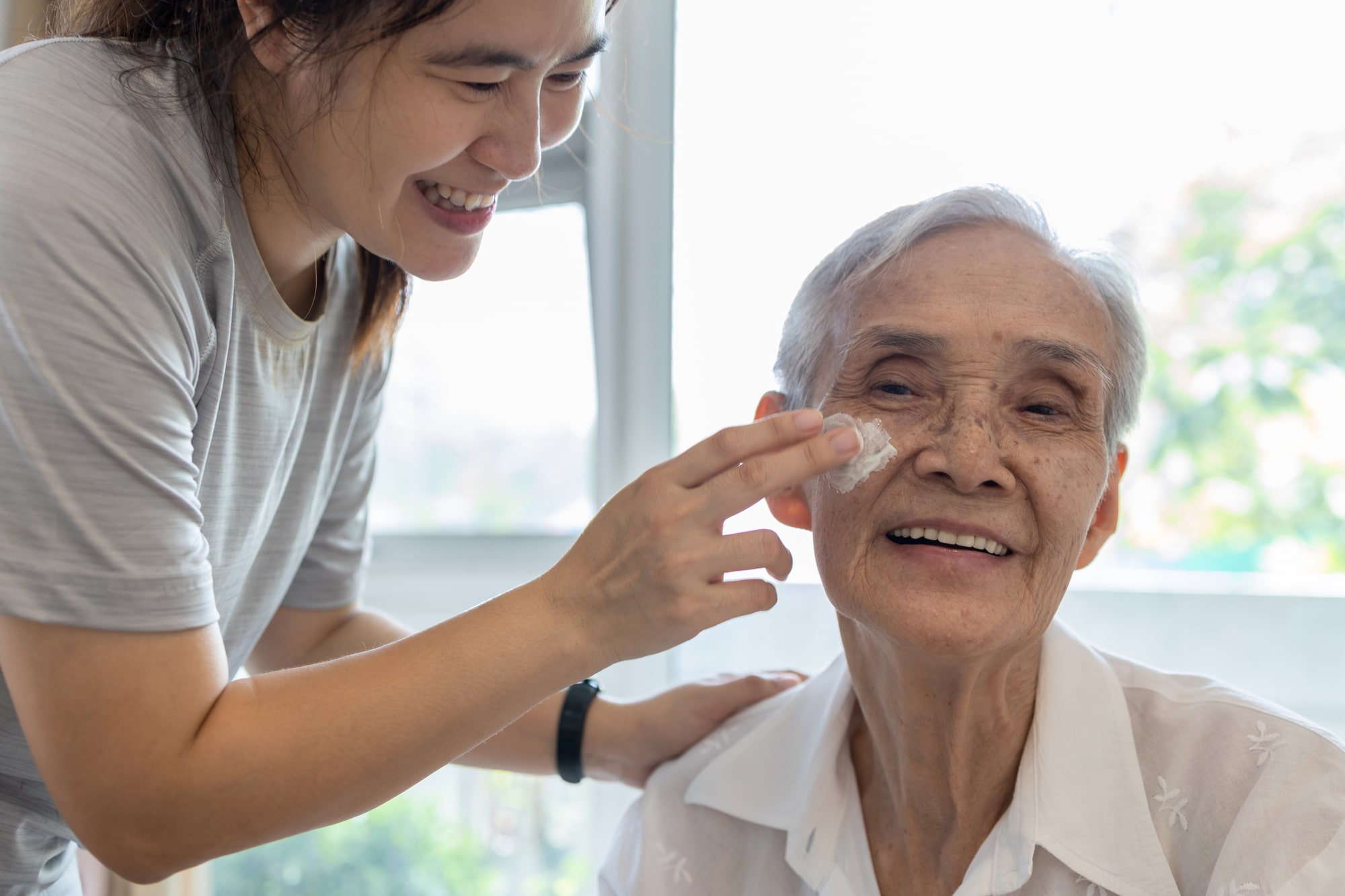
Assistance with bathing and grooming: Providing support with bathing and personal hygiene requires both practical technique and attention to safety and dignity. PCAs may use dressings such as no-rinse cleansers, bath benches, hand-held shower heads, and non-slip mats to reduce fall risk. The Centers for Disease Control and Prevention (CDC) notes that falls are a leading cause of injury among older adults; using evidence-informed fall-prevention approaches during ADL care may help reduce that risk. Care practices emphasize maintaining skin integrity, respecting personal routines, and encouraging as much independence as is safely possible.
Support with dressing and mobility: Dressing assistance includes using adaptive clothing (e.g., garments with accessible fastenings), practicing layering strategies for temperature control, and recommending footwear that improves stability. Mobility support may involve safe transfer techniques (such as using a gait belt when trained), implementing progressive mobility plans in coordination with physical therapists, and encouraging assistive device use (canes, walkers). These interventions could support functional independence while acknowledging that outcomes vary and depend on individual health status and environmental factors.
Eating and feeding: PCAs often help with meal set-up, supervised feeding when needed, and mealtime cueing for individuals with cognitive impairment. Attention to appropriate portioning, food texture modifications when recommended by a clinician, and positioning to reduce aspiration risk are standard practices. Collaborating with dietitians or speech-language pathologists may be appropriate when dysphagia or complex nutritional needs are present.

2.Instrumental Activities of Daily Living (IADL) Support

Definition and scope: IADLs are more complex tasks required for independent living, often involving planning, organization, and physical execution. Personal care attendants frequently assist with meal planning and preparation, medication management, light housekeeping, shopping coordination, transportation support, and communication tasks (e.g., scheduling appointments).
Meal planning and preparation: Effective IADL support for nutrition involves preparing balanced meals that align with dietary guidance and individual preferences. PCAs may follow customized meal plans developed with a registered dietitian or care team and can help implement strategies that support consistent intake, such as pre-planned grocery lists, batch cooking, or portion-controlled meal components. Clear documentation of food preferences, allergies, and texture modifications helps reduce risk and supports continuity of care.
Medication reminders and management: Medication-related support ranges from cueing clients to take prescribed medications to assisting with organizing doses using pill organizers. PCAs should not perform tasks that exceed their training or state regulations (for example, administering injections or altering prescriptions) but may support adherence through reminders, documentation of missed doses, and communication with responsible clinicians or family members. Evidence suggests that reminder systems and caregiver involvement may improve adherence for some individuals; however, practices should be aligned with regulatory requirements and professional scope of practice.
Coordination of community resources: PCAs may help clients access community-based services—such as transportation options, social programs, or meal delivery services—when consistent with client goals. In consumer-directed care models, the person receiving services often has more choice about which IADL tasks the PCA performs, and who they hire, supporting individualized arrangements that match personal routines and cultural preferences.

3.Emotional and Social Support Functions

Providing companionship and reducing isolation: Beyond physical assistance, personal care attendants frequently provide companionship that may mitigate feelings of loneliness. Regular social interaction—conversation, shared activities, or structured engagement—may support mood and cognitive stimulation. While individual responses vary, some reports suggest that consistent social contact could help maintain emotional well-being.
Encouraging social engagement and meaningful activity: PCAs can support clients in participating in community or home-based activities that reflect personal interests—such as attending local senior centers, participating in faith-based groups, or engaging in hobbies. Facilitating safe outings, assisting with virtual connections (video calls), or organizing small group activities are all ways attendants may encourage broader social networks. These activities should be arranged with attention to safety, transport needs, and any clinical precautions.
Recognizing and responding to emotional needs: PCAs who build rapport often learn individual cues indicating mood changes or mental health concerns. While PCAs are not mental health clinicians, they can document observations, provide empathetic listening, and communicate concerns to family or healthcare professionals when appropriate. Training in communication, boundaries, and signs of depression or anxiety may help attendants make timely referrals to qualified providers.

4.Safety Monitoring and Emergency Response Protocols

Fall prevention and home safety assessments: A central component of PCA work involves identifying environmental risks and recommending practical modifications. Common safety measures include improving lighting, reducing clutter, installing grab bars in bathrooms, securing loose rugs, and confirming that frequently used items are within reach. Simple behavior changes—such as encouraging regular toileting schedules, hydration, and appropriate footwear—may also influence fall risk. In many U.S. jurisdictions, home modification programs and guidance from occupational therapists can inform specific adaptations.
Emergency response training and protocols: Many personal care attendants receive basic first aid and cardiopulmonary resuscitation (CPR) training, and some receive additional instruction on responding to common emergencies (e.g., choking, seizures, hypoglycemia). Clear emergency protocols—documented contact lists, medication and allergy information, and established lines of communication with family or clinical teams—help guide responses when incidents occur. Use of personal emergency response systems (PERS) or medical alert devices is another layer that some clients employ; these technologies may support quicker access to help but should not replace caregiver judgment or trained emergency response when needed.
Documentation and reporting: Accurate, timely documentation of care activities, changes in status, and incidents is essential. PCAs who follow standardized reporting practices support coordinated care and may help clinicians identify trends that warrant intervention. Documentation may include activity logs, incident reports, or scheduled notes shared with care managers, family members, or supervising agencies, consistent with privacy and local regulations.

Best Practices for Training, Coordination, and Consumer-Directed Care

Training and competency: Core competencies for PCAs commonly include safe transfer and mobility techniques, infection prevention, communication and boundary setting, recognizing signs of clinical deterioration, and basic emergency response. Training requirements vary by state and setting; employers and care programs should ensure that attendants receive ongoing training relevant to client needs. Supervision and periodic competency checks may help maintain quality of care.
Care planning and interdisciplinary collaboration: Effective PCA support is often grounded in a person-centered care plan that articulates goals, preferences, and risk considerations. Collaboration among attendants, family caregivers, nurses, therapists, and primary care clinicians supports consistent implementation and timely adjustments. Regular review of care plans and open communication channels reduce fragmentation and support continuity.
Consumer-directed care and choice: Consumer-directed models—sometimes referred to as self-directed or participant-directed care—give individuals greater authority over hiring, scheduling, and directing PCAs. This approach may increase satisfaction for some people by aligning care with personal values, cultural preferences, and daily routines. Consumer-directed arrangements also require clear administrative supports (payroll management, background checks, training coordination) and an understanding of legal responsibilities for both the employer and employee in home-based settings.

Integration with Clinical Care and Community Resources

Working within the care ecosystem: Personal care attendants frequently operate at the intersection of daily support and clinical care pathways. When clients have complex medical conditions, coordination with clinicians—sharing observations, adhering to care plans, and escalating concerns—helps ensure safe and effective support. Community organizations, payer programs, and public resources can supplement PCA services with additional supports such as occupational therapy, durable medical equipment, or meal programs.
Quality measurement and improvement: Agencies and programs increasingly track quality indicators—such as client satisfaction, incidence of falls, hospitalization rates, and adherence to care plans—to evaluate PCA impact. These measures may guide training priorities, resource allocation, and program design. Clients and caregivers may be encouraged to participate in feedback mechanisms that inform service improvement.

Practical Considerations for Families and Care Managers

Choosing and orienting a PCA: Whether using an agency or a consumer-directed approach, selecting an attendant should balance skills, compatibility, and availability. Initial orientation to home routines, safety expectations, documentation practices, and communication preferences helps establish a stable working relationship. Trial periods and documented care agreements can clarify responsibilities.
Boundary setting and role clarity: Clear boundaries and role descriptions help prevent misunderstandings about the scope of services. Families and care managers should delineate which tasks a PCA will perform and which responsibilities fall to licensed professionals or family members. Regular check-ins provide opportunities to adjust duties as needs change.
Legal and regulatory considerations: Employment laws, background-check requirements, and liability protections vary across U.S. states and payers. Families or employers engaging in consumer-directed payroll arrangements should confirm relevant regulations, taxation responsibilities, and worker compensation considerations through official channels or qualified advisors.

Conclusion

Personal care attendants provide a multifaceted blend of practical assistance, emotional support, and safety oversight that may help people maintain independence and quality of life at home. From ADL techniques that emphasize dignity and fall prevention to IADL supports that address nutrition and medication adherence, PCAs operate within a framework that balances person-centered goals with safety and regulatory constraints. Emotional companionship and social facilitation are additional, often underrecognized components that can influence well-being.
Looking ahead, demand for trained personal care attendants is expected to grow as demographic and social trends increase the need for community-based supports. Consumer-directed care models offer one pathway for aligning services with individual preferences, while robust training, clear care planning, and interdisciplinary collaboration remain essential to quality outcomes. Individuals and families considering personal care services should seek programs and attendants that follow evidence-informed practices, maintain clear documentation, and prioritize safety and respect. For more detailed guidance about fall prevention, emergency preparedness, and caregiver training standards relevant to the United States, reputable sources such as the CDC and national aging networks provide practical resources and referrals.
Trending Now
hot | 2026-02-24 17:58:09
Why Rethinking Personal Care Attendants Could Change Lives Forever
Personal care attendants provide hands-on support that helps people maintain independence, dignity, and safe routines at home; their role spans basic daily activities to emotional companionship and safety monitoring. As aging populations and diverse care needs increase across the United States, consumer-directed personal care models are gaining attention because they may give individuals greater control over who provides support and how care is delivered, potentially improving satisfaction and alignment with personal preferences.

Introduction

Personal care attendants (PCAs) play a pivotal role in supporting individuals who experience challenges with daily living. This guidance-oriented article defines the PCA role, outlines practical assistance areas—including Activities of Daily Living (ADL) and Instrumental Activities of Daily Living (IADL)—and describes the emotional, social, and safety-related functions that caregivers provide in home and community settings. The content draws on established practice principles and regionally relevant considerations in the United States, and it is written for caregivers, care managers, healthcare professionals, and people evaluating consumer-directed personal care arrangements.

1.Activities of Daily Living (ADL) Assistance and Techniques

Definition and scope: ADLs refer to basic self-care tasks that many people perform daily. Personal care attendants commonly support activities such as bathing, grooming, dressing, toileting, transferring (e.g., bed to chair), and eating. Assistance is often tailored to the individual’s abilities and preferences and may be short-term (post-acute recovery) or long-term (chronic disability or age-related decline).
Assistance with bathing and grooming: Providing support with bathing and personal hygiene requires both practical technique and attention to safety and dignity. PCAs may use dressings such as no-rinse cleansers, bath benches, hand-held shower heads, and non-slip mats to reduce fall risk. The Centers for Disease Control and Prevention (CDC) notes that falls are a leading cause of injury among older adults; using evidence-informed fall-prevention approaches during ADL care may help reduce that risk. Care practices emphasize maintaining skin integrity, respecting personal routines, and encouraging as much independence as is safely possible.
Support with dressing and mobility: Dressing assistance includes using adaptive clothing (e.g., garments with accessible fastenings), practicing layering strategies for temperature control, and recommending footwear that improves stability. Mobility support may involve safe transfer techniques (such as using a gait belt when trained), implementing progressive mobility plans in coordination with physical therapists, and encouraging assistive device use (canes, walkers). These interventions could support functional independence while acknowledging that outcomes vary and depend on individual health status and environmental factors.
Eating and feeding: PCAs often help with meal set-up, supervised feeding when needed, and mealtime cueing for individuals with cognitive impairment. Attention to appropriate portioning, food texture modifications when recommended by a clinician, and positioning to reduce aspiration risk are standard practices. Collaborating with dietitians or speech-language pathologists may be appropriate when dysphagia or complex nutritional needs are present.

2.Instrumental Activities of Daily Living (IADL) Support

Definition and scope: IADLs are more complex tasks required for independent living, often involving planning, organization, and physical execution. Personal care attendants frequently assist with meal planning and preparation, medication management, light housekeeping, shopping coordination, transportation support, and communication tasks (e.g., scheduling appointments).
Meal planning and preparation: Effective IADL support for nutrition involves preparing balanced meals that align with dietary guidance and individual preferences. PCAs may follow customized meal plans developed with a registered dietitian or care team and can help implement strategies that support consistent intake, such as pre-planned grocery lists, batch cooking, or portion-controlled meal components. Clear documentation of food preferences, allergies, and texture modifications helps reduce risk and supports continuity of care.
Medication reminders and management: Medication-related support ranges from cueing clients to take prescribed medications to assisting with organizing doses using pill organizers. PCAs should not perform tasks that exceed their training or state regulations (for example, administering injections or altering prescriptions) but may support adherence through reminders, documentation of missed doses, and communication with responsible clinicians or family members. Evidence suggests that reminder systems and caregiver involvement may improve adherence for some individuals; however, practices should be aligned with regulatory requirements and professional scope of practice.
Coordination of community resources: PCAs may help clients access community-based services—such as transportation options, social programs, or meal delivery services—when consistent with client goals. In consumer-directed care models, the person receiving services often has more choice about which IADL tasks the PCA performs, and who they hire, supporting individualized arrangements that match personal routines and cultural preferences.

3.Emotional and Social Support Functions

Providing companionship and reducing isolation: Beyond physical assistance, personal care attendants frequently provide companionship that may mitigate feelings of loneliness. Regular social interaction—conversation, shared activities, or structured engagement—may support mood and cognitive stimulation. While individual responses vary, some reports suggest that consistent social contact could help maintain emotional well-being.
Encouraging social engagement and meaningful activity: PCAs can support clients in participating in community or home-based activities that reflect personal interests—such as attending local senior centers, participating in faith-based groups, or engaging in hobbies. Facilitating safe outings, assisting with virtual connections (video calls), or organizing small group activities are all ways attendants may encourage broader social networks. These activities should be arranged with attention to safety, transport needs, and any clinical precautions.
Recognizing and responding to emotional needs: PCAs who build rapport often learn individual cues indicating mood changes or mental health concerns. While PCAs are not mental health clinicians, they can document observations, provide empathetic listening, and communicate concerns to family or healthcare professionals when appropriate. Training in communication, boundaries, and signs of depression or anxiety may help attendants make timely referrals to qualified providers.

4.Safety Monitoring and Emergency Response Protocols

Fall prevention and home safety assessments: A central component of PCA work involves identifying environmental risks and recommending practical modifications. Common safety measures include improving lighting, reducing clutter, installing grab bars in bathrooms, securing loose rugs, and confirming that frequently used items are within reach. Simple behavior changes—such as encouraging regular toileting schedules, hydration, and appropriate footwear—may also influence fall risk. In many U.S. jurisdictions, home modification programs and guidance from occupational therapists can inform specific adaptations.
Emergency response training and protocols: Many personal care attendants receive basic first aid and cardiopulmonary resuscitation (CPR) training, and some receive additional instruction on responding to common emergencies (e.g., choking, seizures, hypoglycemia). Clear emergency protocols—documented contact lists, medication and allergy information, and established lines of communication with family or clinical teams—help guide responses when incidents occur. Use of personal emergency response systems (PERS) or medical alert devices is another layer that some clients employ; these technologies may support quicker access to help but should not replace caregiver judgment or trained emergency response when needed.
Documentation and reporting: Accurate, timely documentation of care activities, changes in status, and incidents is essential. PCAs who follow standardized reporting practices support coordinated care and may help clinicians identify trends that warrant intervention. Documentation may include activity logs, incident reports, or scheduled notes shared with care managers, family members, or supervising agencies, consistent with privacy and local regulations.

Best Practices for Training, Coordination, and Consumer-Directed Care

Training and competency: Core competencies for PCAs commonly include safe transfer and mobility techniques, infection prevention, communication and boundary setting, recognizing signs of clinical deterioration, and basic emergency response. Training requirements vary by state and setting; employers and care programs should ensure that attendants receive ongoing training relevant to client needs. Supervision and periodic competency checks may help maintain quality of care.
Care planning and interdisciplinary collaboration: Effective PCA support is often grounded in a person-centered care plan that articulates goals, preferences, and risk considerations. Collaboration among attendants, family caregivers, nurses, therapists, and primary care clinicians supports consistent implementation and timely adjustments. Regular review of care plans and open communication channels reduce fragmentation and support continuity.
Consumer-directed care and choice: Consumer-directed models—sometimes referred to as self-directed or participant-directed care—give individuals greater authority over hiring, scheduling, and directing PCAs. This approach may increase satisfaction for some people by aligning care with personal values, cultural preferences, and daily routines. Consumer-directed arrangements also require clear administrative supports (payroll management, background checks, training coordination) and an understanding of legal responsibilities for both the employer and employee in home-based settings.

Integration with Clinical Care and Community Resources

Working within the care ecosystem: Personal care attendants frequently operate at the intersection of daily support and clinical care pathways. When clients have complex medical conditions, coordination with clinicians—sharing observations, adhering to care plans, and escalating concerns—helps ensure safe and effective support. Community organizations, payer programs, and public resources can supplement PCA services with additional supports such as occupational therapy, durable medical equipment, or meal programs.
Quality measurement and improvement: Agencies and programs increasingly track quality indicators—such as client satisfaction, incidence of falls, hospitalization rates, and adherence to care plans—to evaluate PCA impact. These measures may guide training priorities, resource allocation, and program design. Clients and caregivers may be encouraged to participate in feedback mechanisms that inform service improvement.

Practical Considerations for Families and Care Managers

Choosing and orienting a PCA: Whether using an agency or a consumer-directed approach, selecting an attendant should balance skills, compatibility, and availability. Initial orientation to home routines, safety expectations, documentation practices, and communication preferences helps establish a stable working relationship. Trial periods and documented care agreements can clarify responsibilities.
Boundary setting and role clarity: Clear boundaries and role descriptions help prevent misunderstandings about the scope of services. Families and care managers should delineate which tasks a PCA will perform and which responsibilities fall to licensed professionals or family members. Regular check-ins provide opportunities to adjust duties as needs change.
Legal and regulatory considerations: Employment laws, background-check requirements, and liability protections vary across U.S. states and payers. Families or employers engaging in consumer-directed payroll arrangements should confirm relevant regulations, taxation responsibilities, and worker compensation considerations through official channels or qualified advisors.

Conclusion

Personal care attendants provide a multifaceted blend of practical assistance, emotional support, and safety oversight that may help people maintain independence and quality of life at home. From ADL techniques that emphasize dignity and fall prevention to IADL supports that address nutrition and medication adherence, PCAs operate within a framework that balances person-centered goals with safety and regulatory constraints. Emotional companionship and social facilitation are additional, often underrecognized components that can influence well-being.
Looking ahead, demand for trained personal care attendants is expected to grow as demographic and social trends increase the need for community-based supports. Consumer-directed care models offer one pathway for aligning services with individual preferences, while robust training, clear care planning, and interdisciplinary collaboration remain essential to quality outcomes. Individuals and families considering personal care services should seek programs and attendants that follow evidence-informed practices, maintain clear documentation, and prioritize safety and respect. For more detailed guidance about fall prevention, emergency preparedness, and caregiver training standards relevant to the United States, reputable sources such as the CDC and national aging networks provide practical resources and referrals.
Trending Now