What You Should Know About Cargo Trailers
Discover essential insights into cargo trailers, including types, benefits, how to choose the right model, and practical considerations for safe, efficient hauling.

Understanding Cargo Trailers

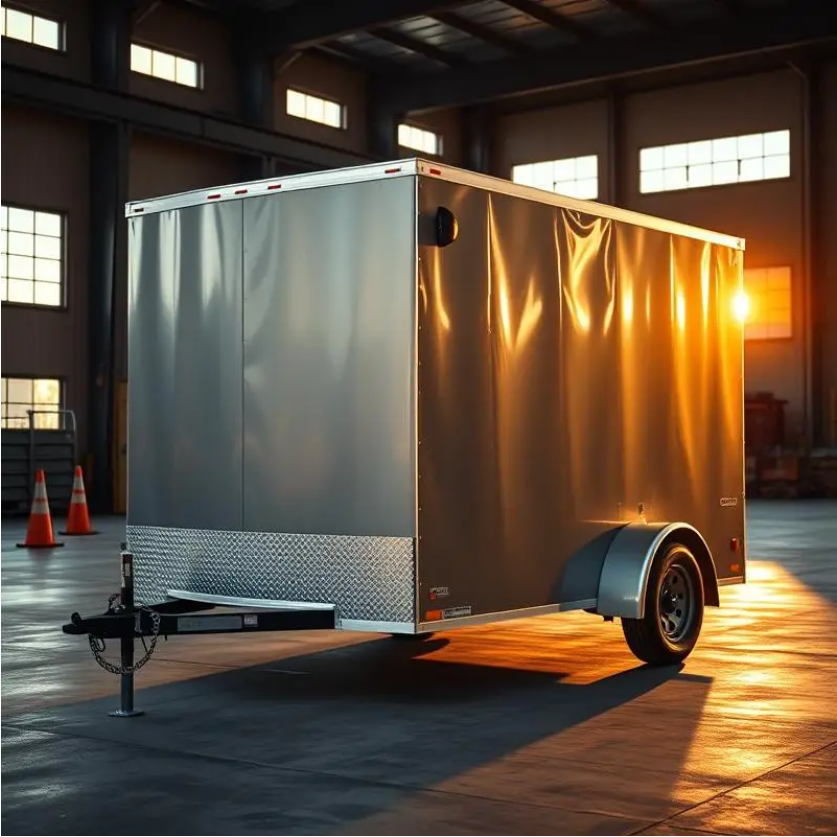
Cargo trailers are sturdy, towable enclosures designed to expand your hauling capacity. They come in various sizes and configurations to fit personal use, small business deliveries, or recreational activities. Understanding the core features helps you select a trailer that matches your load, terrain, and towing vehicle.

Key Benefits and Promises

With a cargo trailer, you gain additional cargo space without purchasing a larger vehicle. This translates into more flexible travel, easier job logistics, and potential cost savings on transportation. We emphasize durability, security, and ease of use to ensure your investments pay off through years of reliable service.

Types and Configurations

Various cargo trailer types include open-top, enclosed, tilt-bed, and utility trailers. Each configuration serves different purposes—from moving household items to transporting equipment for work. Selecting the right type hinges on your typical loads, protection needs, and whether weatherproofing or security features are priorities.

How to Choose the Right Trailer

Assess your typical payload, weight distribution, and hitch compatibility. Check gross vehicle weight rating (GVWR) and payload capacity to avoid overloading. Consider features such as ramp doors, lockable compartments, and ventilation for sensitive cargo. An informed choice reduces maintenance costs and improves safety on the road.

Safety and Compliance

Ensure proper wiring, brake systems, and lighting align with local regulations. Regular maintenance checks, tire tread evaluation, and proper load securing practices protect you and others on the road. Understanding safety standards helps you avoid fines and enhances overall reliability.

Practical Steps to Get Started

1. Define your typical use and payload. 2. Compare open vs enclosed models. 3. Verify hitch compatibility and braking requirements. 4. Review warranty terms and service options. 5. Schedule a test tow with your vehicle to confirm handling and braking performance.

Cost Considerations and Value

Budgeting for a cargo trailer involves considering purchase price, maintenance, insurance, and potential tax incentives or registration fees. While upfront costs vary, a well-chosen trailer can lower transportation costs over time and unlock new revenue opportunities for small businesses or personal projects.

Frequently Asked Questions

Q: Do I need a special license for towing a cargo trailer? A: In many regions, standard vehicle licensing suffices, but check local requirements. Q: How do I secure loads properly? A: Use ratchet straps, tie-downs, and edge protectors to prevent shifting and damage. Q: What maintenance is essential? A: Inspect tires, bearings, lights, and the hitch regularly, and service brakes as needed.

Sources

  • Official trailer buyer guides
  • Vehicle towing safety resources
Trending Now
| 2026-02-25 17:30:39
What You Should Know About Cargo Trailers
Discover essential insights into cargo trailers, including types, benefits, how to choose the right model, and practical considerations for safe, efficient hauling.

Understanding Cargo Trailers

Cargo trailers are sturdy, towable enclosures designed to expand your hauling capacity. They come in various sizes and configurations to fit personal use, small business deliveries, or recreational activities. Understanding the core features helps you select a trailer that matches your load, terrain, and towing vehicle.

Key Benefits and Promises

With a cargo trailer, you gain additional cargo space without purchasing a larger vehicle. This translates into more flexible travel, easier job logistics, and potential cost savings on transportation. We emphasize durability, security, and ease of use to ensure your investments pay off through years of reliable service.

Types and Configurations

Various cargo trailer types include open-top, enclosed, tilt-bed, and utility trailers. Each configuration serves different purposes—from moving household items to transporting equipment for work. Selecting the right type hinges on your typical loads, protection needs, and whether weatherproofing or security features are priorities.

How to Choose the Right Trailer

Assess your typical payload, weight distribution, and hitch compatibility. Check gross vehicle weight rating (GVWR) and payload capacity to avoid overloading. Consider features such as ramp doors, lockable compartments, and ventilation for sensitive cargo. An informed choice reduces maintenance costs and improves safety on the road.

Safety and Compliance

Ensure proper wiring, brake systems, and lighting align with local regulations. Regular maintenance checks, tire tread evaluation, and proper load securing practices protect you and others on the road. Understanding safety standards helps you avoid fines and enhances overall reliability.

Practical Steps to Get Started

1. Define your typical use and payload. 2. Compare open vs enclosed models. 3. Verify hitch compatibility and braking requirements. 4. Review warranty terms and service options. 5. Schedule a test tow with your vehicle to confirm handling and braking performance.

Cost Considerations and Value

Budgeting for a cargo trailer involves considering purchase price, maintenance, insurance, and potential tax incentives or registration fees. While upfront costs vary, a well-chosen trailer can lower transportation costs over time and unlock new revenue opportunities for small businesses or personal projects.

Frequently Asked Questions

Q: Do I need a special license for towing a cargo trailer? A: In many regions, standard vehicle licensing suffices, but check local requirements. Q: How do I secure loads properly? A: Use ratchet straps, tie-downs, and edge protectors to prevent shifting and damage. Q: What maintenance is essential? A: Inspect tires, bearings, lights, and the hitch regularly, and service brakes as needed.

Sources

  • Official trailer buyer guides
  • Vehicle towing safety resources
Trending Now