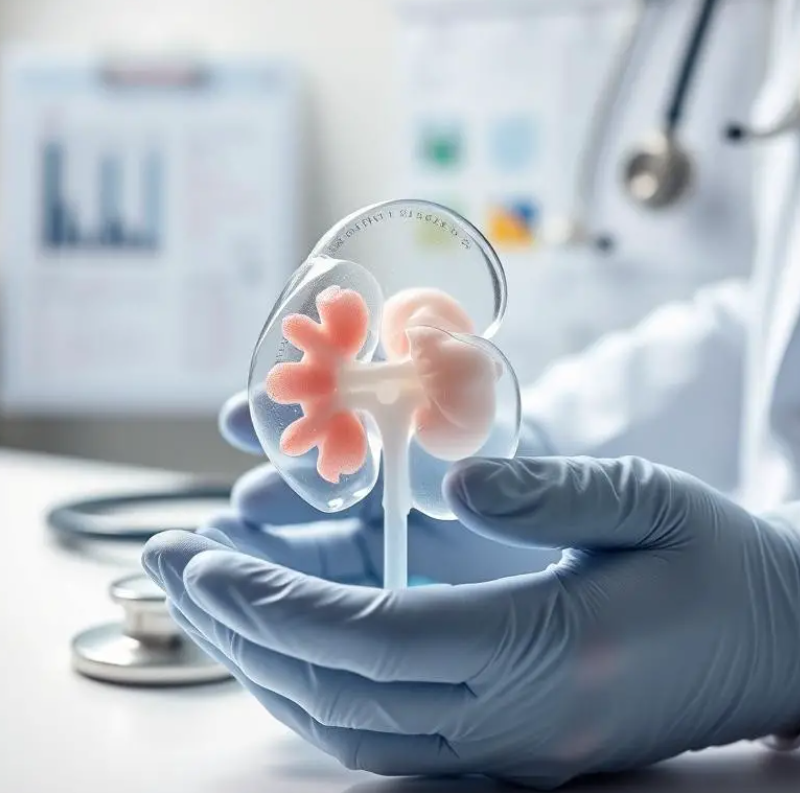
Understanding Kidney Disease Basics
Your kidneys work tirelessly to filter waste from your blood, regulate fluids, and maintain overall balance in your body. When kidney function declines, it leads to kidney disease, a condition affecting millions worldwide. Early detection is crucial because kidney disease often progresses silently without obvious symptoms until advanced stages.
Stage 3 kidney disease marks moderate damage where kidneys function at 30-59% capacity. At this point, interventions can significantly extend life and prevent dialysis. Addressing kidney disease treatment early transforms outcomes from dire to manageable.
The Three Early Warning Signs of Kidney Failure
What are the three early warning signs of kidney failure? First, persistent fatigue and weakness signal that toxins are building up because your kidneys can't filter efficiently. You might feel unusually tired even after rest, as anemia develops from reduced erythropoietin production.
Second, changes in urination stand out: foamy urine from protein leakage, blood in urine, or needing to urinate more at night. These shifts indicate glomerular damage, where the kidney's filtering units are compromised.
Third, swelling in your legs, ankles, or face occurs due to fluid retention. When kidneys fail to remove excess sodium and water, edema forms, often accompanied by high blood pressure. Spotting these signs prompts timely medical evaluation to halt progression.
Life Expectancy with Stage 3 Kidney Disease
How long can someone with stage 3 kidney disease live? With proper management, many thrive for 10-20 years or more. Factors like age, overall health, diabetes control, and blood pressure management play key roles in prognosis.
Stage 3a (45-59% function) patients often enjoy longer timelines than stage 3b (30-44%). Adhering to kidney disease treatment plans, including medications and diet, boosts survival rates substantially. Regular monitoring via eGFR tests tracks progress and guides adjustments.
Realistic expectations: without intervention, progression accelerates toward end-stage renal disease. But proactive steps extend quality years, allowing full lives with family and pursuits.
Effective Kidney Disease Treatment Strategies
Kidney disease treatment starts with controlling underlying causes like hypertension and diabetes. ACE inhibitors or ARBs lower blood pressure and protect kidney filters. Statins manage cholesterol to reduce vascular damage.
Dietary changes form the cornerstone: limit phosphorus, potassium, sodium, and protein intake tailored to your stage. A renal dietitian crafts personalized plans, emphasizing fresh foods over processed ones.
- Monitor blood sugar rigorously if diabetic.
- Exercise moderately 30 minutes daily to aid circulation.
- Quit smoking to preserve remaining function.
Advanced options include SGLT2 inhibitors, proven to slow kidney decline. Dialysis or transplant looms only if progression continues unchecked.
Lifestyle Changes to Protect Your Kidneys
Beyond meds, daily habits fortify kidney health. Stay hydrated with 6-8 glasses of water daily unless restricted, flushing toxins effectively. Avoid NSAIDs like ibuprofen, which harm kidneys further.
Weight management reduces strain: losing 5-10% body weight improves function markedly. Incorporate low-impact activities like walking or swimming.
Sleep 7-9 hours nightly; poor rest exacerbates hypertension. Stress reduction via yoga or meditation stabilizes blood pressure, a major kidney foe.
Monitoring and Regular Check-Ups
Annual screenings catch issues early, but stage 3 demands quarterly visits. Blood tests measure creatinine for eGFR calculation, urine tests detect proteinuria. Home monitoring of blood pressure and weight spots trends promptly.
Work with a nephrologist for comprehensive plans. Apps track symptoms, diet, and vitals, empowering self-management.
Join support groups for tips from peers navigating similar paths. Knowledge shared accelerates adaptation to changes.
Advanced Treatments and Research Hope
Emerging therapies offer optimism. Finerenone targets mineralocorticoid receptors to curb fibrosis. Stem cell research aims to regenerate tissue, though clinical trials continue.
For end-stage, home dialysis provides flexibility over clinic visits. Transplants succeed long-term with matching donors.
Participate in clinical trials via ClinicalTrials.gov for cutting-edge access. Gene therapies target polycystic disease mutations.
FAQs on Kidney Health
Can stage 3 kidney disease reverse? Partial reversal occurs with aggressive management; many stabilize or improve function.
What foods worsen kidney disease? High-potassium bananas, oranges; processed meats loaded with phosphorus and sodium.
Is herbal medicine safe? Consult doctors; some like St. John's wort interact harmfully with prescriptions.
Learn More about personalized plans by consulting healthcare providers today. Small steps yield profound impacts on longevity and vitality.