The Person Who Holds the Keys: Why Personal Care Attendants Are the Unsung Heroes of American Homes
They don't wear scrubs or carry stethoscopes. You won't find them on hospital payrolls or in medical dramas. But for millions of Americans, personal care attendants are the difference between staying home and being institutionalized—between independence and dependence, between dignity and despair.

Here's what no one tells you: the fastest-growing job in America isn't in tech. It's personal care aide. And as the population ages and families scatter across the map, these workers are becoming the invisible backbone of how we live—and die—in our own homes.

Wait, What Does a Personal Care Attendant Actually Do?

Let's clear something up right now. A personal care attendant (PCA) is not a nurse. They're not housekeepers, though they might help tidy up. They're not family, though they often become closer than some relatives.

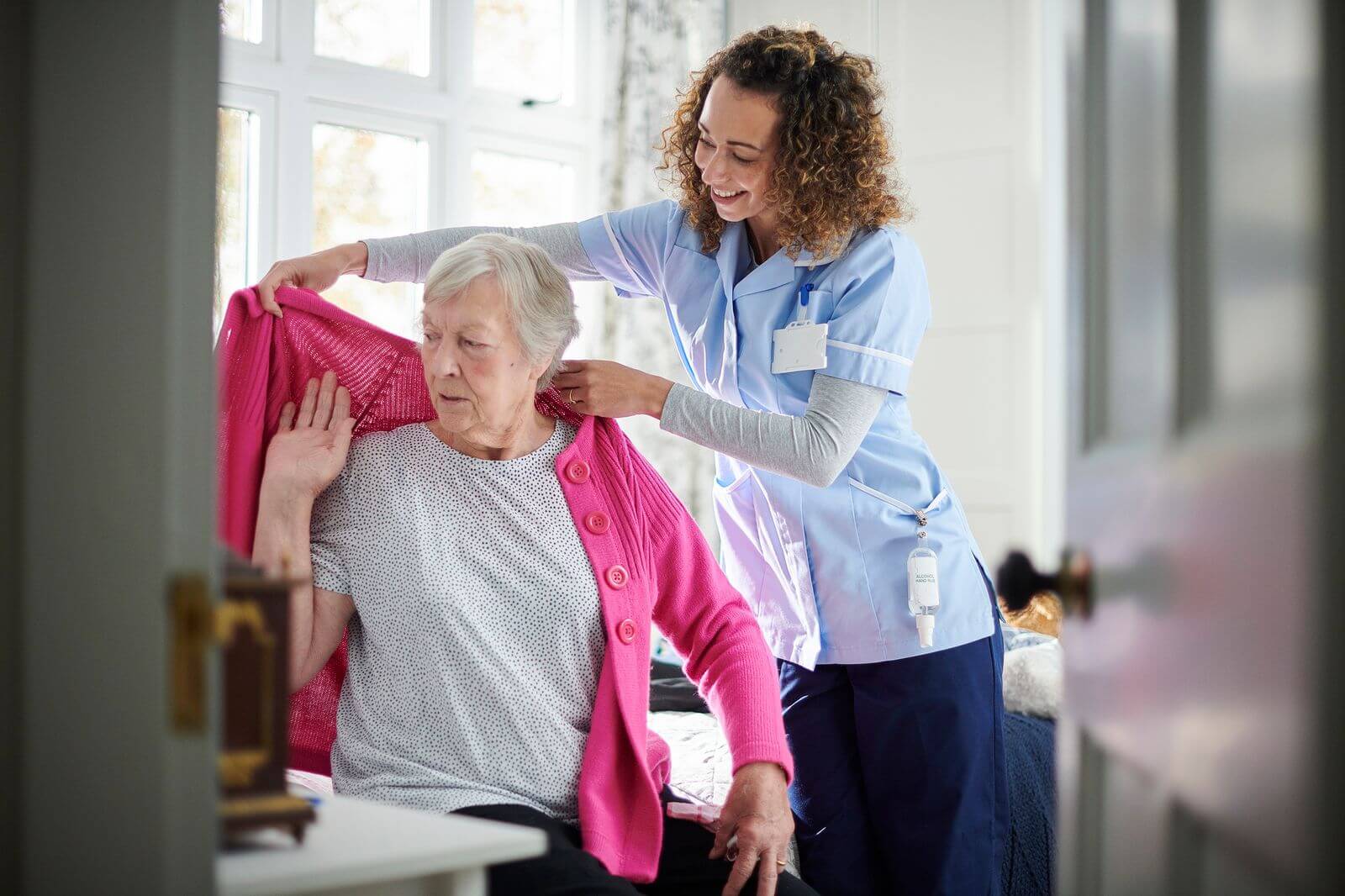
PCAs are the people who show up every day and help with the stuff that doesn't make for polite dinner conversation. Bathing. Toileting. Getting dressed. Eating. Moving from the bed to the chair so someone isn't stuck staring at the same ceiling crack for eight hours.

It's intimate work. It's humbling work. And it requires a specific kind of human being—patient, observant, steady—to do it well.


The Two Kinds of Daily Tasks That Actually Matter

Care professionals break daily living into two categories. Understanding the difference helps you understand what PCAs really do.

The Basics: Activities of Daily Living (ADLs)

These are the non-negotiables. The things you have to be able to do to survive on your own:

When someone can't do these things alone, a PCA steps in. Not by taking over completely—good PCAs let the person do whatever they safely can—but by being the hands that reach where the person can't.

Take bathing. A skilled PCA doesn't just wash someone. They think about falls—because falls kill older adults. They use non-slip mats and bath benches. They watch for skin breakdown. They preserve dignity while getting the job done. The CDC says falls are a leading cause of injury among older adults. A good PCA is fall prevention, delivered daily.

The Complicated Stuff: Instrumental Activities of Daily Living (IADLs)

These are the tasks that require a brain and a plan:

This is where PCAs become more than helpers—they become strategists. They're the ones who notice you haven't eaten in two days and gently make you a sandwich. They're the ones who organize the pillbox so you don't accidentally double-dose. They're the ones who drive you to the doctor and remember to ask the questions you forgot.


The Part Nobody Talks About: Emotional Support

Here's something the training manuals gloss over: PCAs are often the only people some clients see all week.

Family visits on Sunday if they're local. Maybe a phone call. But the PCA? They're there Tuesday morning. And Thursday afternoon. And Saturday, because weekends get lonely too.

That matters. Loneliness doesn't just feel bad—it's physically destructive. Studies link social isolation to everything from depression to cognitive decline to earlier death. PCAs aren't therapists, but they're present. They talk. They listen. They notice when someone seems off.

A good PCA learns to read a person. They know that silence today means something different than silence yesterday. They know when to push for conversation and when to just sit quietly. That kind of attention—real, human attention—can't be prescribed or delivered by an app.


The Safety Net You Don't See

PCAs also function as early warning systems.

They're the ones who notice the new bruise. The unsteady gait. The confusion that wasn't there last week. The half-eaten meals piling up in the trash. They document what they see—often in simple logs—and pass that information up the chain to family members or nurses who can act on it.

They also prevent disasters before they happen. That loose rug? They secure it. The dark hallway at night? They suggest a nightlight. The client who keeps forgetting to eat? They establish a routine.

Emergency protocols matter too. Many PCAs carry basic first aid and CPR certification. They know what to do if someone falls, chokes, or seizes. They have contact lists and medication info at the ready. They're not paramedics, but they're the first line of defense when something goes wrong.


Why "Consumer-Directed" Is Changing Everything

Here's where things get interesting.

Traditionally, care meant an agency sent whoever was available. You got what you got. Maybe it worked, maybe it didn't.

But a different model is spreading: consumer-directed care. In this setup, the person receiving care—or their family—actually hires and manages the PCA directly. They choose who comes into their home. They set the schedule. They decide what tasks matter most.

For a lot of people, this is revolutionary. You want someone who speaks your language? You can find them. Someone who understands your cultural preferences around food or modesty? That's on the table. Someone who actually likes your cat instead of being allergic? You get to pick.

The catch: with more control comes more responsibility. Families become employers. That means payroll taxes, background checks, and understanding legal obligations. It's doable, but it's not nothing.


The Hard Truth About Finding Good Help

Let's be honest: good PCAs are hard to find and harder to keep.

The work is physically demanding. The pay is often mediocre. The emotional weight can be crushing—especially when clients decline or die. Turnover in the industry is high, and that instability hurts everyone, especially the people who've already lost so much.

So what makes a good PCA?

Training helps, but some of this you can't teach. It's who a person is.


What Families Need to Know

If you're reading this because someone you love needs help, here's the practical part.

Start with an honest assessment. What does the person actually need help with? Make a list. Separate the non-negotiables from the nice-to-haves.

Decide on the model. Agency or direct hire? Agencies handle the paperwork and backup coverage. Direct hire gives you more control but more work.

Interview like it matters. Because it does. Ask about experience with specific tasks. Ask how they handle difficult situations. Ask about their last job and why they left. Trust your gut.

Orient carefully. Show them around. Explain routines. Write things down. Clear expectations prevent problems later.

Check in regularly. Not micromanaging, but paying attention. How's the person doing? How's the PCA doing? Small problems caught early don't become big problems.


The Bottom Line

Personal care attendants don't make headlines. They don't get thanked enough. But they're holding together a system that would otherwise collapse under the weight of an aging population.

They're the reason someone can wake up in their own bed instead of a facility. They're the reason families can sleep at night knowing someone's there. They're the hands and feet and eyes and ears for people who've run low on all four.

And in a country where everyone talks about wanting to age in place, PCAs are the ones who actually make it possible.

If you know one, thank them. If you need one, choose carefully. And if you're wondering whether this whole personal care thing matters—ask someone who's tried living without it.


Quick Answers to Common Questions

Q: What's the difference between a PCA and a home health aide?

A: It varies by state, but generally, home health aides can do some basic clinical tasks (like checking vital signs) under nurse supervision. PCAs focus on personal care and daily living tasks. Both provide essential support, just with slightly different scopes.

Q: Can a PCA give medications?

A: Usually not medications that require injection or prescription adjustment. But they can remind, organize pillboxes, and sometimes assist with pre-filled syringes if state law allows and they're trained. Always check your state's regulations.

Q: How do I know if consumer-directed care is right for us?

A: It works best when you have the time and capacity to be an employer—hiring, scheduling, handling paperwork. If that sounds overwhelming, an agency might be a better fit. Some people start with an agency and switch once they understand what they need.

Q: What should we pay?

A: Rates vary wildly by region and whether you're going through an agency. Check your local area's prevailing wages. And remember: paying fairly attracts better people and keeps them longer.

Q: Where do I find a good PCA?

A: Word of mouth first. Then local aging agencies, care referral services, and online platforms that specialize in caregiving. Interview multiple people. Check references. Trust your instincts.

Trending Now
hot | 2026-02-24 14:12:23
The Person Who Holds the Keys: Why Personal Care Attendants Are the Unsung Heroes of American Homes
They don't wear scrubs or carry stethoscopes. You won't find them on hospital payrolls or in medical dramas. But for millions of Americans, personal care attendants are the difference between staying home and being institutionalized—between independence and dependence, between dignity and despair.

Here's what no one tells you: the fastest-growing job in America isn't in tech. It's personal care aide. And as the population ages and families scatter across the map, these workers are becoming the invisible backbone of how we live—and die—in our own homes.

Wait, What Does a Personal Care Attendant Actually Do?

Let's clear something up right now. A personal care attendant (PCA) is not a nurse. They're not housekeepers, though they might help tidy up. They're not family, though they often become closer than some relatives.

PCAs are the people who show up every day and help with the stuff that doesn't make for polite dinner conversation. Bathing. Toileting. Getting dressed. Eating. Moving from the bed to the chair so someone isn't stuck staring at the same ceiling crack for eight hours.

It's intimate work. It's humbling work. And it requires a specific kind of human being—patient, observant, steady—to do it well.


The Two Kinds of Daily Tasks That Actually Matter

Care professionals break daily living into two categories. Understanding the difference helps you understand what PCAs really do.

The Basics: Activities of Daily Living (ADLs)

These are the non-negotiables. The things you have to be able to do to survive on your own:

  • Bathing and grooming

  • Dressing

  • Using the toilet

  • Transferring (bed to chair, chair to standing)

  • Eating

When someone can't do these things alone, a PCA steps in. Not by taking over completely—good PCAs let the person do whatever they safely can—but by being the hands that reach where the person can't.

Take bathing. A skilled PCA doesn't just wash someone. They think about falls—because falls kill older adults. They use non-slip mats and bath benches. They watch for skin breakdown. They preserve dignity while getting the job done. The CDC says falls are a leading cause of injury among older adults. A good PCA is fall prevention, delivered daily.

The Complicated Stuff: Instrumental Activities of Daily Living (IADLs)

These are the tasks that require a brain and a plan:

  • Meal planning and cooking

  • Managing medications

  • Shopping

  • Transportation

  • Keeping track of appointments

This is where PCAs become more than helpers—they become strategists. They're the ones who notice you haven't eaten in two days and gently make you a sandwich. They're the ones who organize the pillbox so you don't accidentally double-dose. They're the ones who drive you to the doctor and remember to ask the questions you forgot.


The Part Nobody Talks About: Emotional Support

Here's something the training manuals gloss over: PCAs are often the only people some clients see all week.

Family visits on Sunday if they're local. Maybe a phone call. But the PCA? They're there Tuesday morning. And Thursday afternoon. And Saturday, because weekends get lonely too.

That matters. Loneliness doesn't just feel bad—it's physically destructive. Studies link social isolation to everything from depression to cognitive decline to earlier death. PCAs aren't therapists, but they're present. They talk. They listen. They notice when someone seems off.

A good PCA learns to read a person. They know that silence today means something different than silence yesterday. They know when to push for conversation and when to just sit quietly. That kind of attention—real, human attention—can't be prescribed or delivered by an app.


The Safety Net You Don't See

PCAs also function as early warning systems.

They're the ones who notice the new bruise. The unsteady gait. The confusion that wasn't there last week. The half-eaten meals piling up in the trash. They document what they see—often in simple logs—and pass that information up the chain to family members or nurses who can act on it.

They also prevent disasters before they happen. That loose rug? They secure it. The dark hallway at night? They suggest a nightlight. The client who keeps forgetting to eat? They establish a routine.

Emergency protocols matter too. Many PCAs carry basic first aid and CPR certification. They know what to do if someone falls, chokes, or seizes. They have contact lists and medication info at the ready. They're not paramedics, but they're the first line of defense when something goes wrong.


Why "Consumer-Directed" Is Changing Everything

Here's where things get interesting.

Traditionally, care meant an agency sent whoever was available. You got what you got. Maybe it worked, maybe it didn't.

But a different model is spreading: consumer-directed care. In this setup, the person receiving care—or their family—actually hires and manages the PCA directly. They choose who comes into their home. They set the schedule. They decide what tasks matter most.

For a lot of people, this is revolutionary. You want someone who speaks your language? You can find them. Someone who understands your cultural preferences around food or modesty? That's on the table. Someone who actually likes your cat instead of being allergic? You get to pick.

The catch: with more control comes more responsibility. Families become employers. That means payroll taxes, background checks, and understanding legal obligations. It's doable, but it's not nothing.


The Hard Truth About Finding Good Help

Let's be honest: good PCAs are hard to find and harder to keep.

The work is physically demanding. The pay is often mediocre. The emotional weight can be crushing—especially when clients decline or die. Turnover in the industry is high, and that instability hurts everyone, especially the people who've already lost so much.

So what makes a good PCA?

  • Reliability above all. Showing up matters more than almost anything.

  • Observation skills. Noticing what's different, what's wrong, what's improving.

  • Patience that doesn't run out. Some tasks take forever. Some days are hard. A good PCA breathes and keeps going.

  • Boundaries that hold. Compassion without collapse. Caring without codependence.

Training helps, but some of this you can't teach. It's who a person is.


What Families Need to Know

If you're reading this because someone you love needs help, here's the practical part.

Start with an honest assessment. What does the person actually need help with? Make a list. Separate the non-negotiables from the nice-to-haves.

Decide on the model. Agency or direct hire? Agencies handle the paperwork and backup coverage. Direct hire gives you more control but more work.

Interview like it matters. Because it does. Ask about experience with specific tasks. Ask how they handle difficult situations. Ask about their last job and why they left. Trust your gut.

Orient carefully. Show them around. Explain routines. Write things down. Clear expectations prevent problems later.

Check in regularly. Not micromanaging, but paying attention. How's the person doing? How's the PCA doing? Small problems caught early don't become big problems.


The Bottom Line

Personal care attendants don't make headlines. They don't get thanked enough. But they're holding together a system that would otherwise collapse under the weight of an aging population.

They're the reason someone can wake up in their own bed instead of a facility. They're the reason families can sleep at night knowing someone's there. They're the hands and feet and eyes and ears for people who've run low on all four.

And in a country where everyone talks about wanting to age in place, PCAs are the ones who actually make it possible.

If you know one, thank them. If you need one, choose carefully. And if you're wondering whether this whole personal care thing matters—ask someone who's tried living without it.


Quick Answers to Common Questions

Q: What's the difference between a PCA and a home health aide?

A: It varies by state, but generally, home health aides can do some basic clinical tasks (like checking vital signs) under nurse supervision. PCAs focus on personal care and daily living tasks. Both provide essential support, just with slightly different scopes.

Q: Can a PCA give medications?

A: Usually not medications that require injection or prescription adjustment. But they can remind, organize pillboxes, and sometimes assist with pre-filled syringes if state law allows and they're trained. Always check your state's regulations.

Q: How do I know if consumer-directed care is right for us?

A: It works best when you have the time and capacity to be an employer—hiring, scheduling, handling paperwork. If that sounds overwhelming, an agency might be a better fit. Some people start with an agency and switch once they understand what they need.

Q: What should we pay?

A: Rates vary wildly by region and whether you're going through an agency. Check your local area's prevailing wages. And remember: paying fairly attracts better people and keeps them longer.

Q: Where do I find a good PCA?

A: Word of mouth first. Then local aging agencies, care referral services, and online platforms that specialize in caregiving. Interview multiple people. Check references. Trust your instincts.

Trending Now