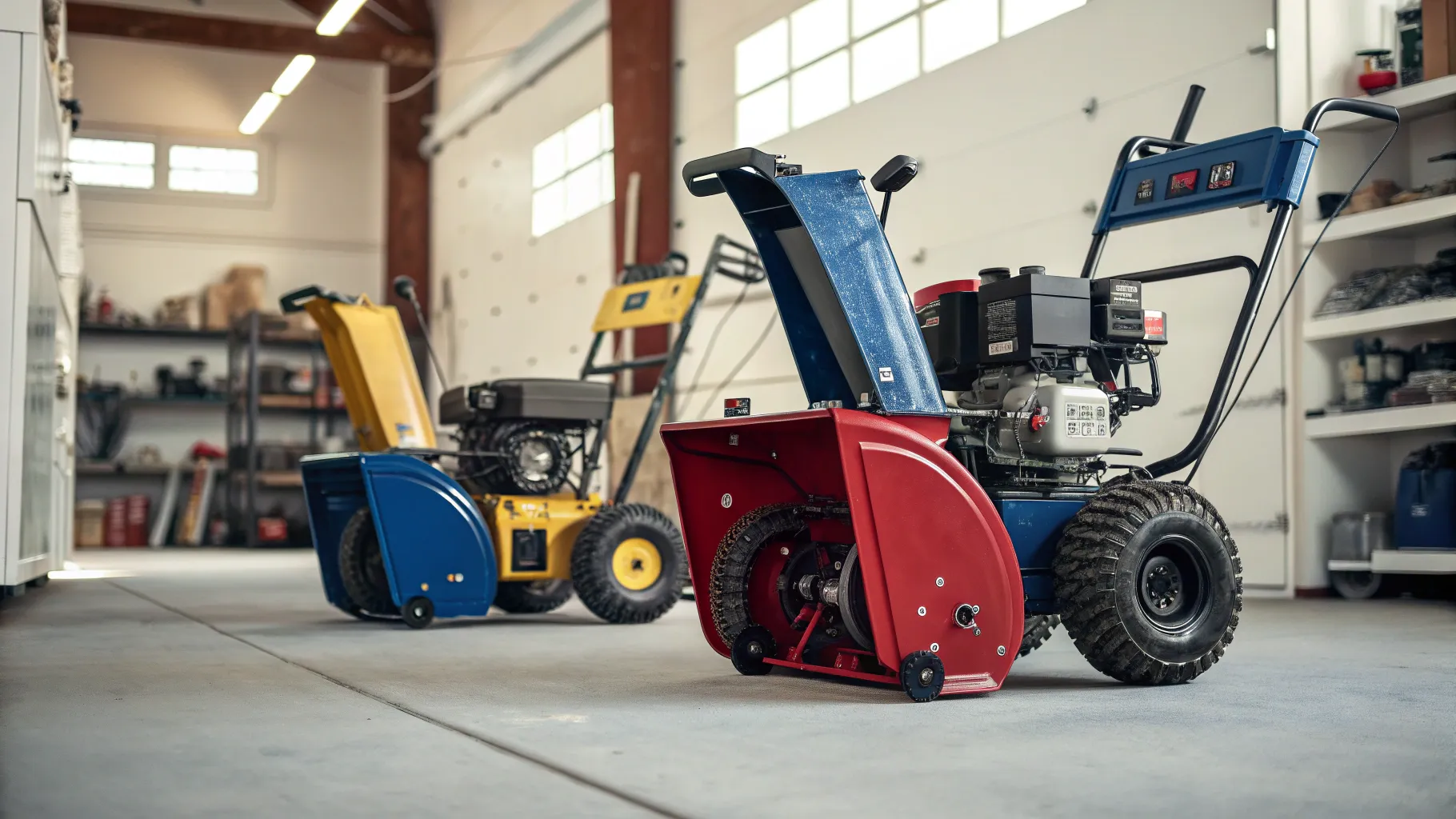
Facts:
- Buying used can save you 40-60% on snow blowers.
- A growing trend for second hand snow blowers is the demand for battery-powered electric models.
Your Definitive Guide to Buying Second Hand Snow Blowers
Purchasing a used snow blower can be a financially savvy decision, allowing you to acquire powerful equipment for a fraction of the retail price. However, navigating the second-hand market requires a keen eye and the right knowledge to avoid costly mistakes. This comprehensive used snow blower buying guide is designed to equip you with the essential information needed to make a confident purchase, covering everything from initial inspection to understanding value. We will delve into the critical differences between gas vs electric models, provide actionable condition inspection tips, and explore how seasonal pricing can work in your favor. By understanding these key areas, you can find a reliable machine that will serve you well for many winters to come.
The market for used outdoor power equipment, including snow blowers, sees a significant spike in interest just before the first major snowfall of the season.
Deciphering Power and Performance: Gas vs Electric Models
One of the first decisions in your journey is choosing between power sources. The debate over gas vs electric models is central to finding the right fit for your property and needs. Gas-powered snow blowers, typically two-stage or three-stage machines, offer superior power for clearing large driveways and heavy, wet snow. They are the go-to for performance but come with greater maintenance considerations, such as oil changes, fuel stabilization, and spark plug replacements. Conversely, electric models (both corded and battery-powered) are lighter, quieter, and much easier to maintain. They are ideal for smaller areas and lighter snowfall. While corded models have unlimited runtime but limited range, modern battery-powered units offer impressive freedom and power, though their runtime is finite. Your choice will ultimately depend on your driveway size, average snowfall, and how much maintenance you're willing to undertake.
The Buyer's Checklist: Critical Condition Inspection Tips
A thorough inspection is non-negotiable when buying a used machine. Applying these condition inspection tips can save you from a purchase that will cost more in repairs than it's worth. Start with a visual check for significant rust, especially on the auger housing and chute, as this can indicate poor storage and structural weakness. Check the auger and impeller blades for dents, warping, or excessive wear. Turn the augers by hand (with the machine off) to ensure they move freely. Examine the belts for cracks and fraying, and check the tires for dry rot and proper inflation. If it's a gas model, inspect the engine oil; if it's dark and sludgy, it suggests poor upkeep. Always insist on starting the machine. Listen for any unusual noises, check that it idles smoothly, and test the drive and auger engagement controls to ensure they work correctly. A seller who is hesitant to let you test the machine is a major red flag.
Timing is Everything: Leveraging Seasonal Pricing for a Better Deal
Understanding the ebb and flow of the market is key to getting the best price. The principles of seasonal pricing are simple: buy when demand is low. The absolute best time to purchase a second hand snow blower is in the late spring or summer. Homeowners are looking to clear out garage space and are much more motivated to negotiate on price. Conversely, the worst time to buy is right before or during the first major winter storm when demand skyrockets and sellers hold all the leverage. By planning ahead and shopping during the off-season, you can often find high-quality machines at a significant discount. Keep an eye on online marketplaces and local listings starting in April and May for the best selection and prices.
Beyond the Purchase: Long-Term Maintenance Considerations
Your responsibility doesn't end once you've handed over the cash. Proper upkeep is vital for extending the life of your second hand snow blower. These maintenance considerations should be addressed immediately after purchase and at the beginning of each season. For gas models, this includes changing the engine oil, replacing the spark plug, and inspecting or replacing the fuel filter. It's also wise to check the condition of the shear pins, which are designed to break to protect the gearbox from damage if the auger hits a hard object. Ensure you have spares on hand. For all types of snow blowers, lubricate any moving parts as specified in the owner's manual, check the tension of belts, and ensure the scraper bar and skid shoes are adjusted correctly to prevent damage to the machine and your driveway. Following a consistent maintenance schedule is the best way to protect your investment.
Frequently Asked Questions
What is a fair price to pay for a second hand snow blower?
A fair price typically falls between 40% and 60% of the original retail value, depending heavily on age, brand, and condition. Use our condition inspection tips to assess its state accurately. Prices are also subject to seasonal pricing, so you'll pay a premium in winter versus buying in the summer.
Are electric second hand snow blowers reliable?
Yes, used electric models can be very reliable, especially if they are only a few years old. They have fewer moving parts than gas engines, which translates to fewer potential points of failure. The main thing to check on a battery-powered model is the battery's health and ability to hold a charge, as replacements can be expensive.
What are the biggest red flags when inspecting a used snow blower?
Major red flags include heavy rust on the frame or in the auger housing, an engine that is difficult to start or runs rough, smoke from the exhaust (on gas models), and non-functional drive or auger controls. These issues often signal neglect and can lead to costly repairs, making even a cheap machine a bad deal according to any good used snow blower buying guide.
References
- Outdoor Power Equipment Institute (OPEI) Safety and Maintenance Guides
- Consumer Reports Used Equipment Buying Advice
- Manufacturer's Manuals for Popular Snow Blower Brands
- Online Community Forums for Small Engine Repair