


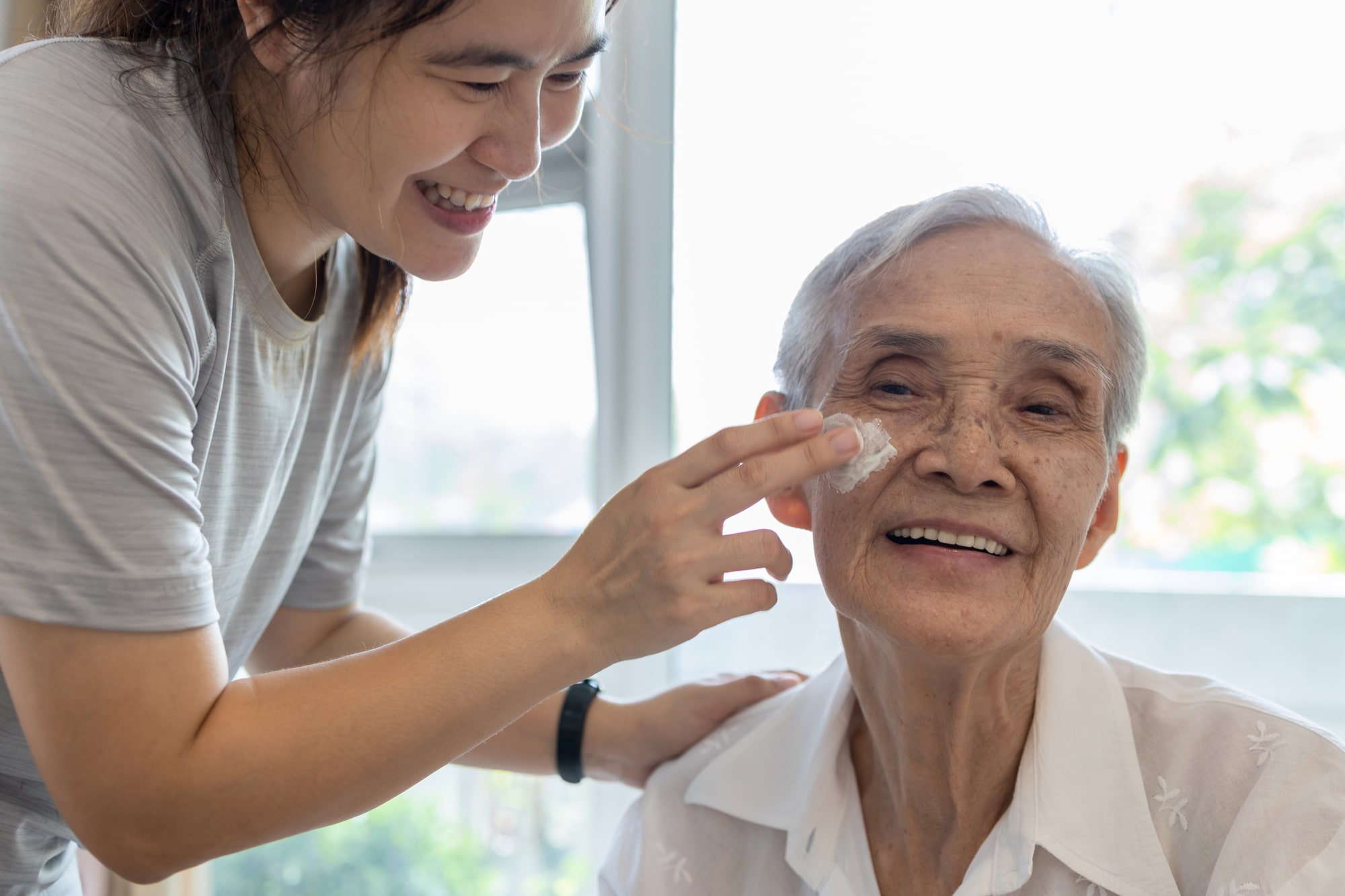
1. The Essentials: Mastering the "ADLs" with Dignity
In the caregiving world, we talk a lot about Activities of Daily Living (ADLs). These are the fundamental tasks that most of us take for granted until they become a challenge. A professional PCA transforms these moments from sources of frustration into routines of comfort:
-
Hygiene & Grooming: It’s more than just a bath. It’s about preventing falls (a leading cause of injury in the U.S.) using non-slip tools and expert techniques while ensuring the individual feels respected, not vulnerable.
-
Adaptive Mobility: Whether it’s using a gait belt or a walker, PCAs help people move safely, encouraging as much self-reliance as possible to keep muscles strong and spirits high.
-
Nutrition with Purpose: Beyond just "feeding," PCAs ensure meals are safe (addressing swallowing risks) and enjoyable, often collaborating with dietitians to meet specific health goals.
2. Living Independently: The Power of IADL Support
Independence is also about the "logistics" of life—what experts call Instrumental Activities of Daily Living (IADLs). This is where a PCA helps a house remain a home:
-
Smart Meal Prep: Creating balanced, delicious meals that stick to a doctor’s plan while honoring personal tastes.
-
Medication Management: In a world of complex prescriptions, PCAs act as the "second set of eyes," providing vital reminders and tracking adherence to keep health on track.
-
Connecting with the Community: Whether it’s a ride to a doctor’s appointment or a trip to the local senior center, PCAs ensure that "staying at home" doesn’t mean "staying isolated."
3. The "Hidden" Benefit: Emotional & Social Connection
Perhaps the most undervalued role of a PCA is companionship. Loneliness is a silent health crisis in America, linked to cognitive decline and depression.
-
A Familiar Face: Regular interaction stimulates the mind and boosts mood.
-
The Early Warning System: Because PCAs spend so much time with their clients, they are often the first to notice subtle changes in mood or health, acting as a vital link to the broader medical team.
4. Safety First: Peace of Mind for Families
For family members, the biggest value a PCA provides is the ability to sleep at night.
-
Home Safety Audits: From clearing clutter to securing loose rugs, PCAs help "fall-proof" the living environment.
-
Emergency Readiness: Trained in CPR and first aid, they provide a professional response when seconds count.
-
Clear Communication: Through activity logs and regular updates, they ensure that care managers and family members are never in the dark.
The Rise of Consumer-Directed Care: You’re in the Driver’s Seat
One of the most significant shifts in the U.S. is the move toward Consumer-Directed Models. This approach gives you the power to:
-
Select your own team: Hire someone who fits your family’s culture and personality.
-
Set the schedule: Care fits your life, not the other way around.
-
Personalize the tasks: Focus on what matters most to your specific situation.
The Bottom Line
Choosing a Personal Care Attendant is a life-changing decision. It’s an investment in dignity, safety, and joy. As we look toward a future where more Americans choose to "age in place," the PCA will remain the cornerstone of a life well-lived.
Frequently Asked Questions (FAQs)
Q: What is the biggest difference between a PCA and a home health nurse?
A: PCAs focus on "hands-on" daily living and companionship (non-medical), while nurses handle clinical tasks like wound care or administering injections.
Q: Does insurance cover these services?
A: Coverage varies. Long-term care insurance and certain Medicaid waivers (especially in "self-directed" programs) often cover PCA services, whereas traditional Medicare has more limited coverage for non-medical home care.
Q: How do I know if a PCA is the right fit for my family?
A: Look for a balance of technical skill and "soft" skills like empathy and communication. A trial period is always recommended to ensure the "vibe" is right.


