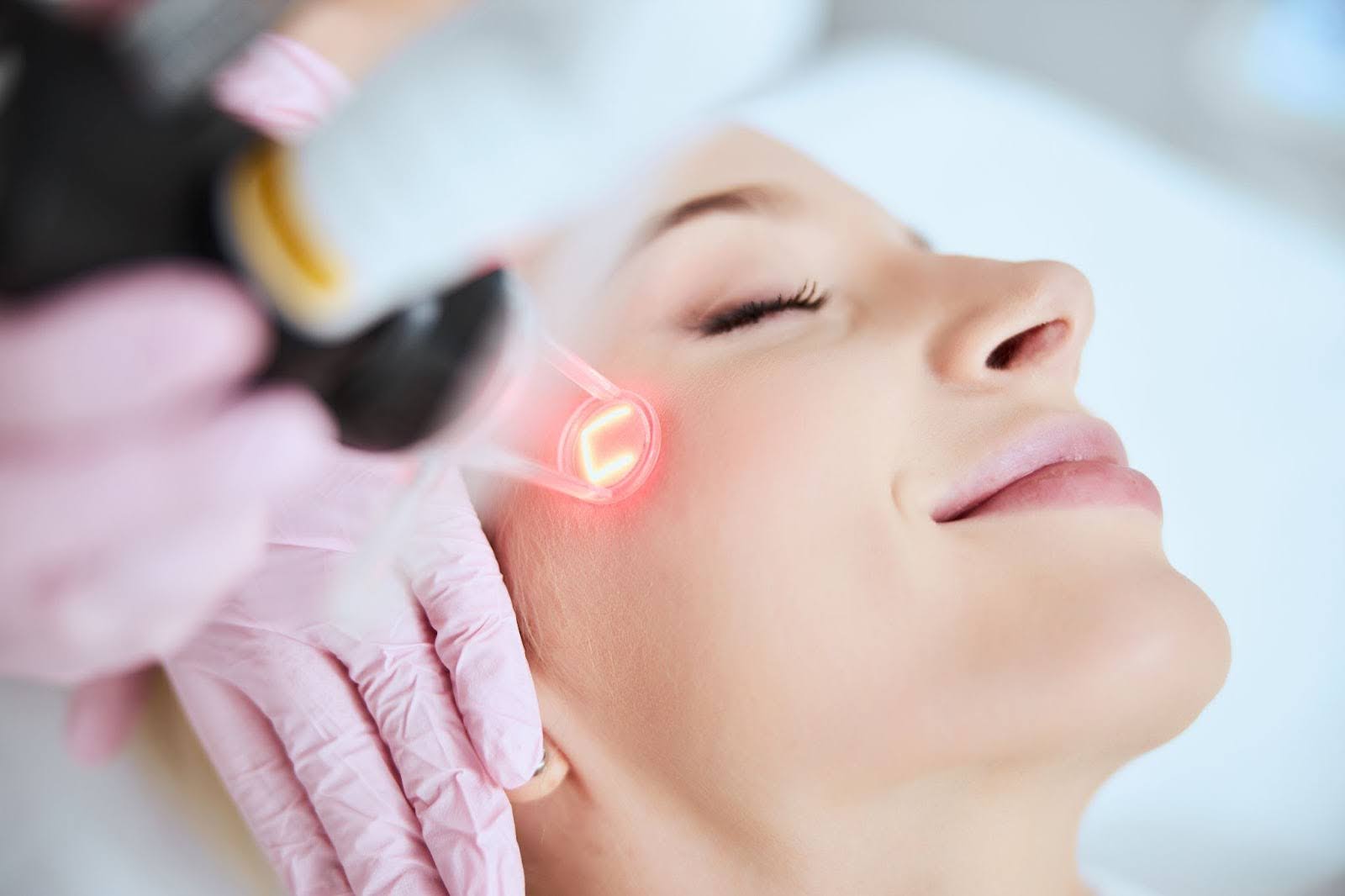
1. The Heavy Hitters: Fractional vs. Picosecond Efficacy
Not all lasers are created equal. Choosing the right device is a balance between "shattering" pigment and "remodeling" collagen.
Fractional Lasers: The Architects of Collagen
Whether ablative (CO2) or non-ablative, fractional lasers work by creating "micro-treatment zones." Think of it as aerating a lawn to stimulate new growth.
-
The Results: Clinical meta-analyses show an objective 20% to 50% improvement in wrinkles and skin tightening.
-
The Trade-off: High efficacy = High downtime. Deep dermal remodeling (CO2) offers the most dramatic results but comes with significant recovery time and a higher risk of adverse events.
-
Best For: Lighter skin tones (Fitzpatrick I–III) looking for a complete texture overhaul.
Picosecond Lasers: The Precision Shatter
Unlike the heat-driven fractional models, Picosecond lasers (755nm, 1064nm) use ultra-short pulses to create a photomechanical "shatter."
-
The Results: This tech is the gold standard for pigment clearance—faster results for tattoos, sun spots, and Ota's nevus with minimal thermal damage to surrounding skin.
-
The Melasma Catch: While great at clearing surface pigment, Picosecond lasers aren't a "cure" for Melasma. Without aggressive sun protection and adjunctive therapy, recurrence rates remain frustratingly high.
2. The Diversity Gap: A Critical Research Need
In the U.S., the "standard" for laser safety has historically skewed toward lighter skin. However, as the demand for aesthetics grows among patients with Fitzpatrick IV–VI (deeper skin tones), the stakes are higher.
-
The Risk: Post-inflammatory hyperpigmentation (PIH) remains the "Dark Side" of laser treatment.
-
The Strategy: Evidence-based protocols now demand conservative settings and "test spots."
-
The Goal: We need more randomized, inclusive trials. A treatment that works for a Fitzpatrick II patient could be disastrous for a Fitzpatrick V patient without proper calibration.
3. The Tech Frontier: AI & Hybrid Systems (2026 Trends)
We are moving beyond "one-size-fits-all" settings.
-
AI-Guided Precision: New systems are using real-time skin analysis to adjust laser fluence pulse-by-pulse, minimizing human error.
-
Hybrid Protocols: The industry is pivoting toward "The Power of Two"—using fractional lasers for texture and picosecond for pigment in a single session to maximize ROI (Return on Investment) for the patient's time.
The Bottom Line: Evidence Over Hype
| Laser Type | Primary Action | Typical Sessions | Downtime |
| Ablative Fractional | Heat/Injury (Collagen) | 1–2 | 7–14 Days |
| Non-Ablative | Gentle Heat | 1–3 | 2–3 Days |
| Picosecond | Sound/Vibration (Pigment) | 3–6 | Minimal |
The Reality Check: Laser rejuvenation is an incredible tool, but its "Dark Side" isn't the technology itself—it's the lack of standardized regulation and the need for more diverse clinical data.
Frequently Asked Questions (FAQs)
Q: Are lasers safe for darker skin tones?
A: Yes, but it requires specialized tech (like Picosecond) and an experienced provider. Improper use of high-heat lasers on deep skin tones can lead to permanent scarring or PIH.
Q: Why do I need multiple sessions?
A: Most lasers work through "staged" healing. Over-treating in one session increases the risk of complications. Safe, evidence-based results are built over time.
Q: Is "AI-guided" just a marketing buzzword?
A: In 2026, it's becoming the standard for safety. AI helps monitor skin temperature and pigment density in real-time, significantly reducing the "guesswork" that leads to burns.