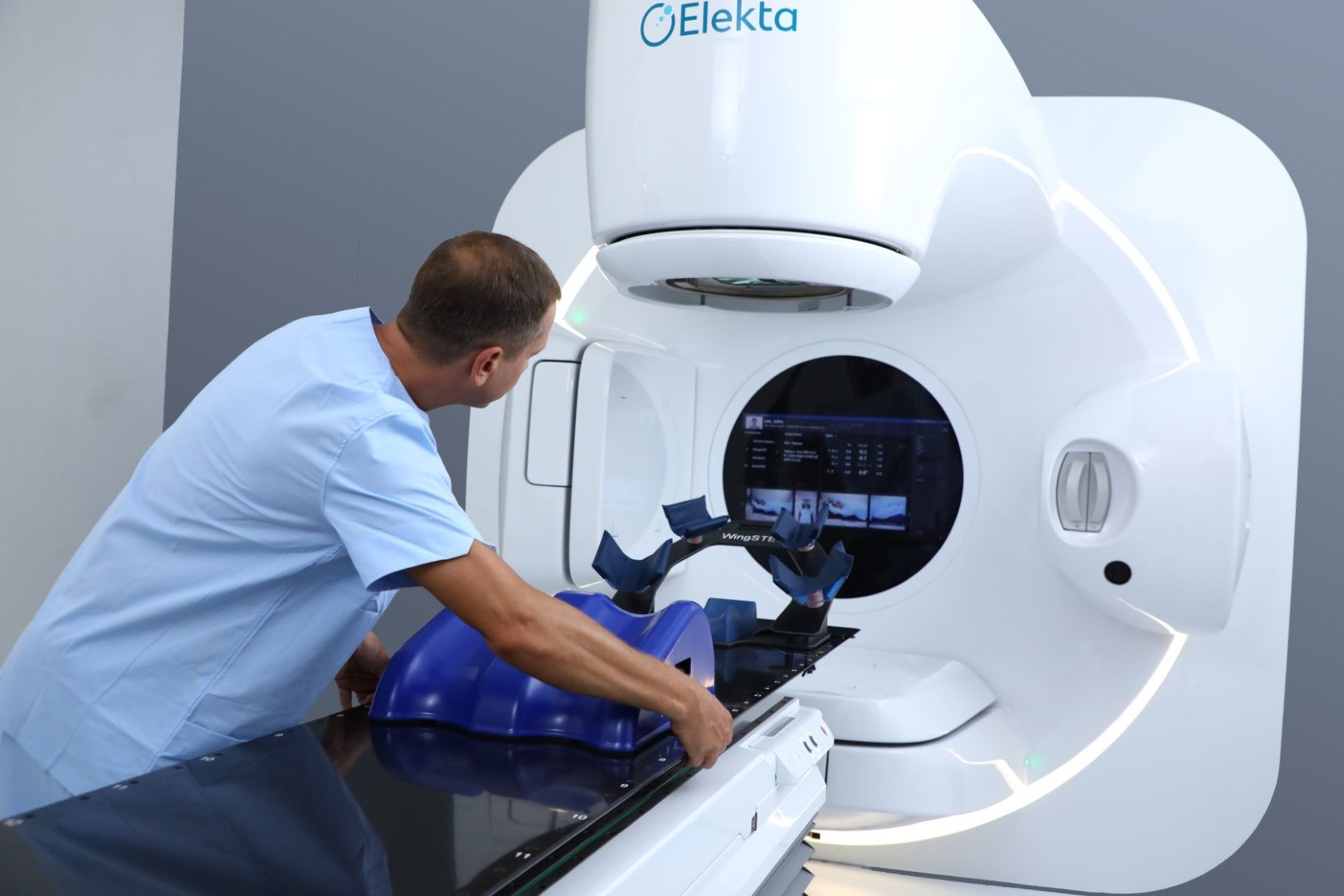
Radiation Therapy: What to Expect and How It Affects Your Body
Learn how radiation therapy works, what happens in your body during treatment, and how long any side effects may last. Find answers to your most pressing questions.

Understanding Radiation Therapy

Radiation therapy is a common treatment for cancer that uses high-energy rays to target and destroy cancer cells. It works by damaging the DNA inside cells, which prevents them from growing and dividing. This treatment is carefully planned to focus on the cancer while minimizing harm to healthy tissue.

What Happens in Your Body During Radiation Therapy?

During radiation therapy, beams of energy are directed at the area affected by cancer. These beams damage the DNA of cancer cells, causing them to die. The process is painless, but some people may feel warmth or tingling in the treated area. Healthy cells can also be affected, but they are usually able to recover over time. Your medical team will monitor your progress and manage any side effects.

How Long Does Damage to Your Body Last After Radiation Therapy?

The duration and severity of side effects from radiation therapy vary depending on the treatment area, dose, and your overall health. Most side effects are temporary and improve within a few weeks or months after treatment ends. However, some people may experience long-term changes, such as fatigue, skin sensitivity, or changes in organ function. Your healthcare provider will give you personalized guidance on what to expect and how to manage any lasting effects.

What You Should Know About Radiation Therapy

Radiation therapy is a powerful tool in cancer care, but it’s important to understand both its benefits and potential risks. Side effects can include skin irritation, fatigue, and changes in appetite. Most side effects are manageable with proper care and support. Staying informed and communicating with your healthcare team is key to a successful treatment experience.

Know More About Radiation Therapy

If you want to learn more about radiation therapy, including how it works, what to expect during treatment, and how to manage side effects, there are many resources available. Reputable health organizations and cancer centers offer detailed information and support services. Talking to your doctor or a cancer care specialist can also help you get answers to your specific questions.

Managing Your Recovery

After radiation therapy, focus on self-care and follow your healthcare provider’s recommendations. This may include rest, proper nutrition, and monitoring for any new symptoms. Support groups and counseling services can also be valuable resources as you recover.

Questions to Ask Your Doctor

Conclusion

Radiation therapy is a vital part of cancer treatment for many patients. Understanding what happens in your body during therapy, how long side effects may last, and what support is available can help you feel more prepared and confident throughout your journey.

Trending Now
hot | 2026-02-11 15:42:52
Radiation Therapy: What to Expect and How It Affects Your Body
Learn how radiation therapy works, what happens in your body during treatment, and how long any side effects may last. Find answers to your most pressing questions.

Understanding Radiation Therapy

Radiation therapy is a common treatment for cancer that uses high-energy rays to target and destroy cancer cells. It works by damaging the DNA inside cells, which prevents them from growing and dividing. This treatment is carefully planned to focus on the cancer while minimizing harm to healthy tissue.

What Happens in Your Body During Radiation Therapy?

During radiation therapy, beams of energy are directed at the area affected by cancer. These beams damage the DNA of cancer cells, causing them to die. The process is painless, but some people may feel warmth or tingling in the treated area. Healthy cells can also be affected, but they are usually able to recover over time. Your medical team will monitor your progress and manage any side effects.

How Long Does Damage to Your Body Last After Radiation Therapy?

The duration and severity of side effects from radiation therapy vary depending on the treatment area, dose, and your overall health. Most side effects are temporary and improve within a few weeks or months after treatment ends. However, some people may experience long-term changes, such as fatigue, skin sensitivity, or changes in organ function. Your healthcare provider will give you personalized guidance on what to expect and how to manage any lasting effects.

What You Should Know About Radiation Therapy

Radiation therapy is a powerful tool in cancer care, but it’s important to understand both its benefits and potential risks. Side effects can include skin irritation, fatigue, and changes in appetite. Most side effects are manageable with proper care and support. Staying informed and communicating with your healthcare team is key to a successful treatment experience.

Know More About Radiation Therapy

If you want to learn more about radiation therapy, including how it works, what to expect during treatment, and how to manage side effects, there are many resources available. Reputable health organizations and cancer centers offer detailed information and support services. Talking to your doctor or a cancer care specialist can also help you get answers to your specific questions.

Managing Your Recovery

After radiation therapy, focus on self-care and follow your healthcare provider’s recommendations. This may include rest, proper nutrition, and monitoring for any new symptoms. Support groups and counseling services can also be valuable resources as you recover.

Questions to Ask Your Doctor

  • How will radiation therapy affect my daily life?
  • What are the most common side effects, and how can I manage them?
  • How long will it take for my body to recover?
  • Are there any long-term effects I should be aware of?
  • What support services are available during and after treatment?

Conclusion

Radiation therapy is a vital part of cancer treatment for many patients. Understanding what happens in your body during therapy, how long side effects may last, and what support is available can help you feel more prepared and confident throughout your journey.

Trending Now