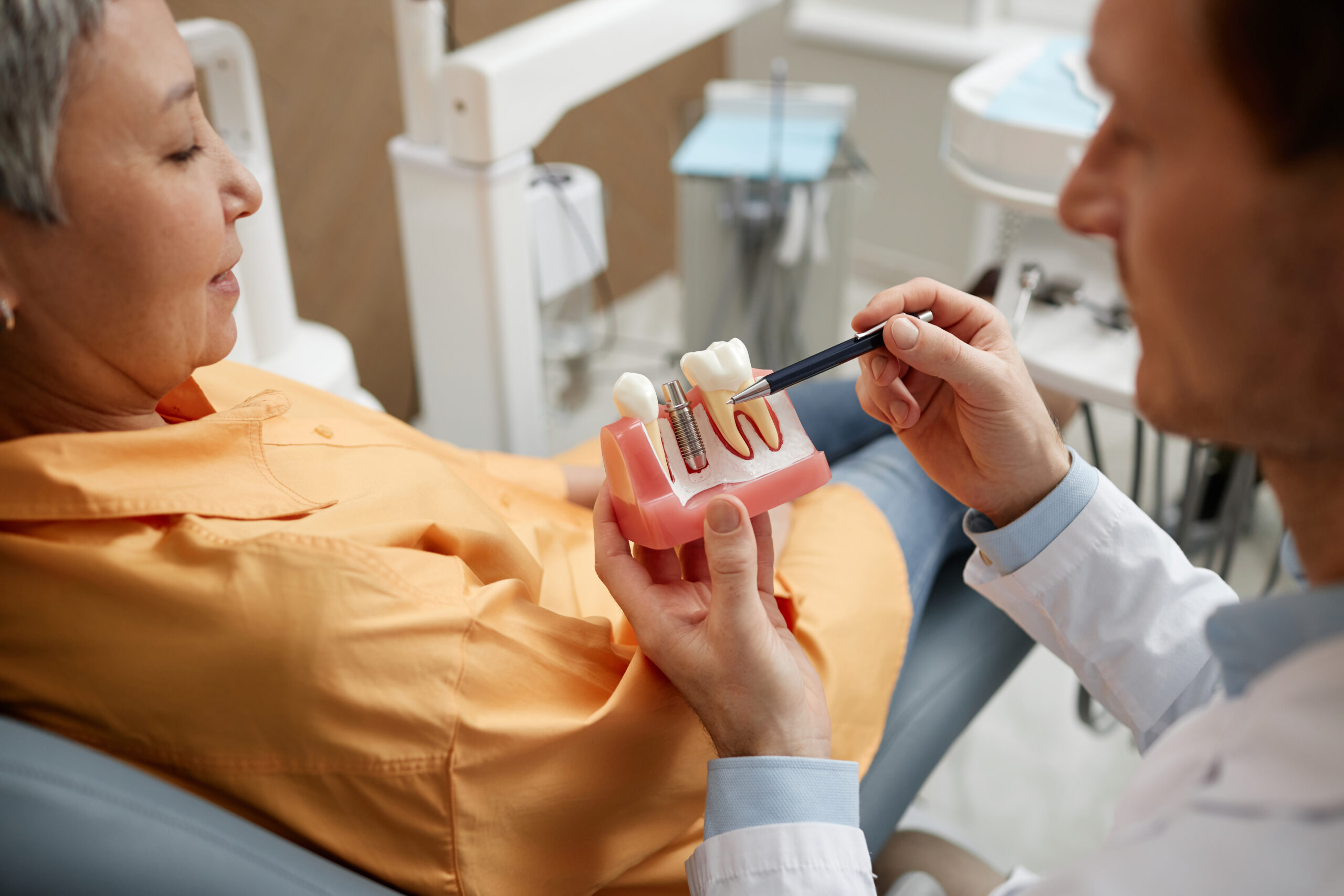
Reclaim Your Smile: The 2026 Guide to Dental Implants for Seniors
For many seniors, the gold standard of restorative dentistry has shifted. While removable dentures were once the primary solution for tooth loss, dental implants for seniors have become the preferred choice for those seeking a permanent, functional, and natural-looking smile. As technology advances in 2026, the age of the patient is no longer the deciding factor; rather, overall health and bone stability take center stage.

Why Dental Implants are the Preferred Choice After 60

Tooth loss in later life can lead to more than just aesthetic concerns; it can impact nutritional intake, speech clarity, and jawbone density. Full mouth dental implants and single tooth implants offer a structural advantage that traditional options cannot match.


Comparison of Restorative Options for Seniors

Choosing the right procedure depends on the number of missing teeth and the condition of the jawbone. Below is a comparison of the most common solutions available today.

Feature Traditional Dentures Dental Implants All-on-4 Implants
Stability May slip or click Permanent and stationary Fixed full-arch support
Bone Health Accelerates bone loss Preserves/Stimulates bone Preserves bone structure
Maintenance Requires removal/soaking Brush and floss like natural teeth Professional cleaning & brushing
Longevity 5–7 years Lifetime (with proper care) 10–20+ years
Cost Category Lower upfront cost Higher initial investment Mid-to-high (efficient for full-arch)

The Dental Implant Procedure: Step-by-Step

Modern dentistry has made the dental implant procedure for seniors more streamlined and comfortable than ever before.

  1. Comprehensive Consultation: Using 3D CT scans, dentists evaluate bone density and map out the precise placement of the titanium posts.

  2. Implant Placement: The titanium post (the "root") is surgically placed into the jawbone. Most seniors find that local anesthesia or light sedation makes the process very manageable.

  3. Osseointegration: Over a period of 3 to 6 months, the bone fuses with the implant.

  4. Abutment and Crown: Once the site has healed, a connector (abutment) is attached, followed by a custom-made porcelain crown that matches the surrounding teeth.

Note on Bone Loss: Seniors with significant bone loss are often still candidates for implants. Procedures like bone grafting or sinus lifts can strengthen the foundation, while mini dental implants or zygomatic implants offer alternatives for those with less bone volume.


Understanding Costs and Insurance in 2026

The cost of dental implants reflects the complexity of the surgery and the quality of the materials used. In 2026, the price for a single dental implant in the USA typically ranges from $3,000 to $5,000. For those requiring full mouth reconstruction, costs can vary from $20,000 to $50,000 per arch.

Does Medicare Cover Dental Implants?

Original Medicare (Part A and B) generally does not cover dental implants. However, many Medicare Advantage plans (Part C) in 2026 offer supplemental dental benefits that may provide partial coverage or negotiated rates for major restorative work. It is essential to verify specific plan details during the open enrollment period.


Frequently Asked Questions

Is 80 too old for dental implants?

No. Health is a much more important factor than chronological age. If an individual is healthy enough for a routine tooth extraction, they are typically healthy enough for an implant.

What is the recovery time for seniors?

While the "fusion" process takes several months, most patients return to their normal daily routine within 3 to 7 days after the initial surgery.

Are there risks for patients with osteoporosis?

Patients with osteoporosis or those taking certain bone-density medications should consult with both their physician and oral surgeon. While it may require a modified approach, it does not automatically disqualify a patient.


Disclaimer: The information provided in this article is for educational purposes only and does not constitute medical advice. Dental procedures involve risks, and results can vary based on individual health factors. Always consult with a licensed dental professional or oral surgeon to determine the best treatment plan for your specific needs.

Trending Now
lifestyle | 2026-02-11 16:07:31
Reclaim Your Smile: The 2026 Guide to Dental Implants for Seniors
For many seniors, the gold standard of restorative dentistry has shifted. While removable dentures were once the primary solution for tooth loss, dental implants for seniors have become the preferred choice for those seeking a permanent, functional, and natural-looking smile. As technology advances in 2026, the age of the patient is no longer the deciding factor; rather, overall health and bone stability take center stage.

Why Dental Implants are the Preferred Choice After 60

Tooth loss in later life can lead to more than just aesthetic concerns; it can impact nutritional intake, speech clarity, and jawbone density. Full mouth dental implants and single tooth implants offer a structural advantage that traditional options cannot match.

  • Bone Preservation: Unlike dentures, which can lead to jawbone atrophy over time, implants stimulate the bone, preventing the "sunken" facial appearance often associated with aging.

  • Enhanced Functionality: Implants function like natural teeth, allowing for a diet that includes crunchy vegetables and proteins, which are vital for senior nutrition.

  • Long-Term Durability: When maintained properly, implants are designed to be a lifetime investment, boasting a success rate of over 95% in healthy older adults.


Comparison of Restorative Options for Seniors

Choosing the right procedure depends on the number of missing teeth and the condition of the jawbone. Below is a comparison of the most common solutions available today.

Feature Traditional Dentures Dental Implants All-on-4 Implants
Stability May slip or click Permanent and stationary Fixed full-arch support
Bone Health Accelerates bone loss Preserves/Stimulates bone Preserves bone structure
Maintenance Requires removal/soaking Brush and floss like natural teeth Professional cleaning & brushing
Longevity 5–7 years Lifetime (with proper care) 10–20+ years
Cost Category Lower upfront cost Higher initial investment Mid-to-high (efficient for full-arch)

The Dental Implant Procedure: Step-by-Step

Modern dentistry has made the dental implant procedure for seniors more streamlined and comfortable than ever before.

  1. Comprehensive Consultation: Using 3D CT scans, dentists evaluate bone density and map out the precise placement of the titanium posts.

  2. Implant Placement: The titanium post (the "root") is surgically placed into the jawbone. Most seniors find that local anesthesia or light sedation makes the process very manageable.

  3. Osseointegration: Over a period of 3 to 6 months, the bone fuses with the implant.

  4. Abutment and Crown: Once the site has healed, a connector (abutment) is attached, followed by a custom-made porcelain crown that matches the surrounding teeth.

Note on Bone Loss: Seniors with significant bone loss are often still candidates for implants. Procedures like bone grafting or sinus lifts can strengthen the foundation, while mini dental implants or zygomatic implants offer alternatives for those with less bone volume.


Understanding Costs and Insurance in 2026

The cost of dental implants reflects the complexity of the surgery and the quality of the materials used. In 2026, the price for a single dental implant in the USA typically ranges from $3,000 to $5,000. For those requiring full mouth reconstruction, costs can vary from $20,000 to $50,000 per arch.

Does Medicare Cover Dental Implants?

Original Medicare (Part A and B) generally does not cover dental implants. However, many Medicare Advantage plans (Part C) in 2026 offer supplemental dental benefits that may provide partial coverage or negotiated rates for major restorative work. It is essential to verify specific plan details during the open enrollment period.


Frequently Asked Questions

Is 80 too old for dental implants?

No. Health is a much more important factor than chronological age. If an individual is healthy enough for a routine tooth extraction, they are typically healthy enough for an implant.

What is the recovery time for seniors?

While the "fusion" process takes several months, most patients return to their normal daily routine within 3 to 7 days after the initial surgery.

Are there risks for patients with osteoporosis?

Patients with osteoporosis or those taking certain bone-density medications should consult with both their physician and oral surgeon. While it may require a modified approach, it does not automatically disqualify a patient.


Disclaimer: The information provided in this article is for educational purposes only and does not constitute medical advice. Dental procedures involve risks, and results can vary based on individual health factors. Always consult with a licensed dental professional or oral surgeon to determine the best treatment plan for your specific needs.

Trending Now