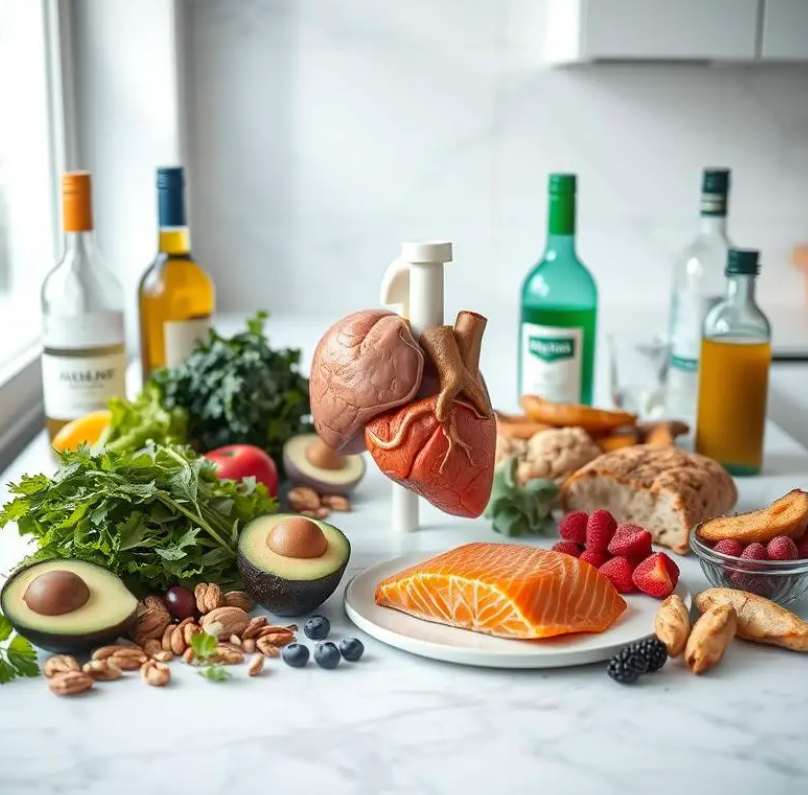
Understanding Fatty Liver Disease
Fatty liver disease occurs when excess fat accumulates in liver cells, affecting the organ's ability to function properly. This condition affects millions of people worldwide and can progress from simple fat accumulation to inflammation and scarring if left untreated. The good news is that fatty liver disease is often reversible through targeted lifestyle modifications, particularly dietary changes that address the root causes of fat buildup.
Two main types exist: non-alcoholic fatty liver disease, which develops in people who drink little to no alcohol, and alcoholic fatty liver disease, caused by excessive alcohol consumption. Both conditions share similar treatment principles centered on eliminating harmful dietary patterns and adopting liver-friendly nutrition habits that allow the organ to heal naturally.
Critical Foods Fatty Liver Patients Must Eliminate
Removing specific foods from your diet represents the most powerful step in treating fatty liver disease. Patients must give up added sugars, particularly fructose found in sweetened beverages, candies, and processed desserts, because the liver converts excess sugar directly into fat. Eliminating soda, fruit juices with added sweeteners, energy drinks, and foods containing high-fructose corn syrup should be your first priority.
Refined carbohydrates like white bread, white rice, pastries, and crackers cause rapid blood sugar spikes that trigger fat storage in the liver. Replace these with whole grain alternatives that provide fiber and release energy slowly. Fried foods and items high in saturated fats—including fatty cuts of red meat, processed meats like bacon and sausage, full-fat dairy products, and commercially baked goods—contribute to inflammation and fat accumulation.
Alcohol consumption must be completely avoided or strictly limited depending on your specific diagnosis, as even moderate amounts can worsen liver inflammation and prevent healing. Trans fats found in margarine, packaged snacks, and fast food items also damage liver cells and should be permanently removed from your eating plan.
Proven Treatment Approaches for Fatty Liver
Effective fatty liver treatment combines dietary modification with weight management and increased physical activity. Research published by the National Institute of Diabetes and Digestive and Kidney Diseases demonstrates that losing just seven to ten percent of body weight can significantly reduce liver fat, inflammation, and fibrosis in patients with non-alcoholic fatty liver disease.
A Mediterranean-style eating pattern has shown exceptional results in clinical studies for reversing fatty liver. This approach emphasizes vegetables, fruits, whole grains, legumes, nuts, seeds, and olive oil as the primary fat source. Fish rich in omega-3 fatty acids like salmon, mackerel, and sardines should be consumed at least twice weekly to reduce inflammation and support liver function.
Regular physical activity accelerates fat loss from the liver even without significant weight reduction. Aim for at least one hundred fifty minutes of moderate-intensity aerobic exercise weekly, combined with resistance training twice per week. Activities like brisk walking, swimming, cycling, and strength exercises help your body metabolize stored liver fat more efficiently.
Medical Interventions and Monitoring
While lifestyle changes form the foundation of treatment, some patients require medical supervision and pharmaceutical interventions. Your healthcare provider may prescribe medications to manage underlying conditions that contribute to fatty liver, such as diabetes, high cholesterol, or insulin resistance. Vitamin E supplements have shown promise in certain patient populations, though this should only be taken under medical guidance.
Regular monitoring through blood tests and imaging studies helps track your progress and detect any disease progression. Liver function tests measure enzyme levels that indicate inflammation, while ultrasound, CT scans, or MRI can assess the degree of fat accumulation. The Mayo Clinic recommends follow-up appointments every three to six months during active treatment to adjust your plan based on results.
Building Your Liver-Healing Nutrition Plan
Creating a sustainable eating pattern that reverses fatty liver requires focusing on nutrient-dense whole foods rather than simply restricting calories. Start each day with protein-rich breakfasts like eggs with vegetables, Greek yogurt with berries and nuts, or oatmeal topped with ground flaxseed to stabilize blood sugar and reduce cravings for harmful foods throughout the day.
Fill half your plate at each meal with non-starchy vegetables like leafy greens, broccoli, cauliflower, peppers, and Brussels sprouts. These provide essential vitamins, minerals, and antioxidants that support liver detoxification pathways. One quarter of your plate should contain lean protein sources such as skinless poultry, fish, tofu, tempeh, or legumes, which help repair liver tissue without adding excess fat.
The remaining quarter should feature complex carbohydrates like quinoa, brown rice, sweet potatoes, or whole grain pasta. Healthy fats from sources like avocados, extra virgin olive oil, nuts, and seeds should be included in moderate portions at each meal. Drink plenty of water throughout the day and consider green tea, which contains catechins that may help reduce liver fat according to research published in the National Library of Medicine.
Long-Term Management and Prevention
Successfully treating fatty liver requires permanent lifestyle changes rather than temporary dieting. Once you achieve improvement in liver health markers, maintaining these habits prevents recurrence and protects against progression to more serious conditions like cirrhosis or liver failure. Continue avoiding the harmful foods identified earlier while sustaining your healthy eating patterns and exercise routine.
Manage stress through techniques like meditation, yoga, or deep breathing exercises, as chronic stress elevates cortisol levels that promote abdominal fat storage and insulin resistance. Prioritize seven to nine hours of quality sleep nightly, since poor sleep disrupts metabolic hormones and increases cravings for sugary and fatty foods that harm liver health.
Regular health screenings remain important even after your liver function improves. Annual check-ups with liver function tests and metabolic panels help catch any early signs of relapse. If you have diabetes, metabolic syndrome, or obesity, working with a registered dietitian who specializes in liver disease can provide personalized guidance tailored to your specific needs and health conditions.
Frequently Asked Questions
How long does it take to reverse fatty liver disease? Most patients see measurable improvements in liver enzyme levels within three to six months of implementing dietary changes and weight loss. Complete reversal of fat accumulation typically requires six months to two years of sustained lifestyle modifications, depending on the severity of your condition and adherence to treatment recommendations.
Can fatty liver disease cause permanent damage? If left untreated, fatty liver can progress to non-alcoholic steatohepatitis, which involves inflammation and liver cell damage. This can eventually lead to fibrosis, cirrhosis, and liver failure. However, when caught in early stages and treated appropriately through the dietary and lifestyle changes described here, fatty liver is highly reversible without permanent consequences.
Are there supplements that help treat fatty liver? While whole food nutrition should be your primary focus, some supplements show promise in supporting liver health. Vitamin E, omega-3 fatty acids, and milk thistle have been studied for fatty liver treatment. Always consult your healthcare provider before starting any supplement regimen, as some can interact with medications or may not be appropriate for your specific situation.