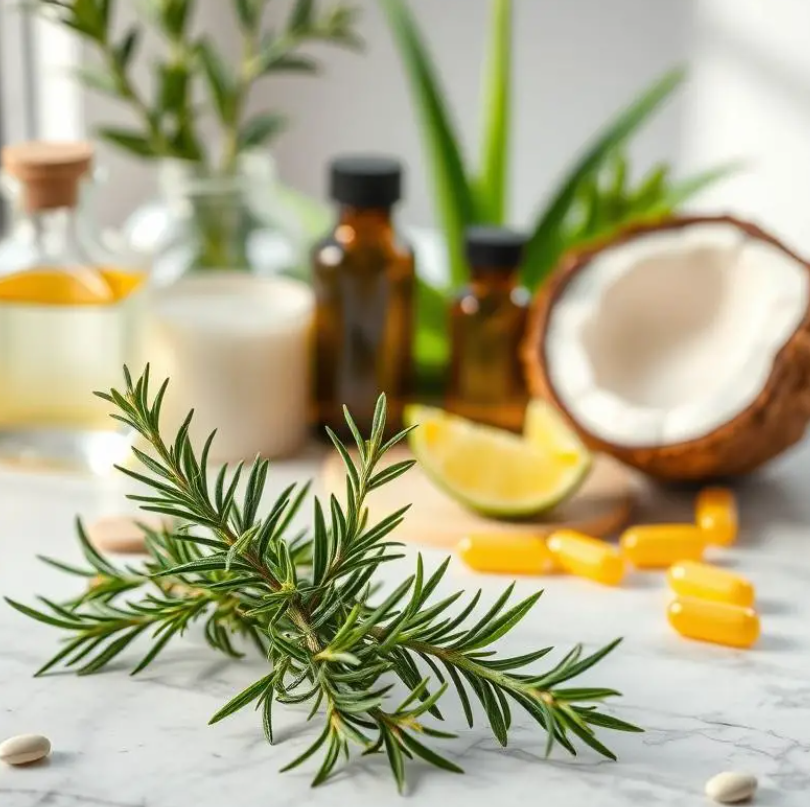
Natural Hair Loss Treatments That Can Help You Regrow Hair
Discover proven, natural ways to treat hair loss without harsh chemicals or surgery. Learn how certain nutrient-rich foods and holistic care habits can boost scalp health, strengthen follicles, and promote visible hair growth—sometimes within as little as three weeks.

Understanding Natural Hair Loss Treatment

Hair loss is a common concern affecting both men and women, and while it’s often linked to genetics or hormonal changes, everyday factors like stress, diet, and scalp health play a significant role. Many seek natural alternatives to chemical treatments or transplants, hoping for safer, sustainable results. But can hair loss truly be treated naturally? The short answer is yes—if you understand how to support your follicles from the inside and out.

Natural hair growth relies on optimizing your body’s environment for stronger follicles, improved circulation, and balanced hormones. When you address nutrition, scalp care, and stress management together, you can unlock your body’s natural potential to regrow healthy hair.

How Natural Treatment Works

Treating hair loss naturally means stimulating your scalp and improving your internal nutrient levels to encourage dormant follicles to grow again. Unlike chemical or prescription treatments, these methods nourish rather than override your body’s natural processes. The results may not be overnight, but consistent care can often show improvement within weeks.

Doctors and nutritionists agree that what you eat plays a massive part in the appearance and strength of your hair. Diets rich in vitamins A, E, zinc, and biotin are essential. Adequate protein ensures that keratin—the structural building block of hair—is continuously produced.

Three Foods That Can Help Hair Regrow Within Three Weeks

Experts have highlighted specific foods that can naturally accelerate hair recovery. When integrated into your daily diet, they can revitalize weakened strands and stimulate new growth.

  • Salmon: Loaded with omega-3 fatty acids and vitamin D, salmon nourishes hair follicles and strengthens the scalp. Its anti-inflammatory properties help prevent thinning caused by scalp irritation.
  • Spinach: One of nature’s best sources of iron and folate, spinach supports healthy red blood cells, improving oxygen delivery to the scalp and fueling hair growth at the root level.
  • Eggs: Rich in biotin and high-quality protein, eggs help reinforce keratin production, making existing strands stronger and promoting new hair formation. Many studies have shown visible texture and density improvements after consistent intake.

In many cases, individuals who incorporate these foods into their daily meals notice thickening and stronger regrowth in as little as three weeks—especially when combined with other natural hair care steps like scalp massage and stress reduction.

Daily Habits to Stimulate Regrowth

Beyond diet, your everyday routine determines how successfully your hair can regrow. Natural hair loss treatment depends on maintaining a nutrient-rich scalp environment and promoting consistent circulation. Here are some key practices:

  • Massage your scalp daily: Massaging with natural oils such as rosemary or jojoba stimulates circulation and helps nutrients reach the follicles.
  • Stay hydrated: Dehydration reduces the elasticity of your hair shafts, making them prone to breakage. Aim for at least eight cups of water a day.
  • Sleep well: Poor sleep elevates stress hormones that can trigger shedding. Ensure at least seven hours of quality sleep to support hormone balance and follicular recovery.
  • Reduce harsh styling: Excessive heat, chemical products, and tight hairstyles damage follicles over time. Choose gentle, natural care routines instead.

These daily habits reinforce your hair’s natural rhythm of growth and rest, helping to maximize the effects of diet and topical treatments over time.

Essential Nutrients for Hair Health

Let’s talk about nutrients that most directly support regrowth. While the three superfoods provide a strong foundation, adding variety ensures lasting results. Vitamins A, C, D, and E protect against follicle damage, while B vitamins—particularly biotin and niacin—aid in keratin production and blood flow to the scalp.

Zinc and iron deficiencies are often overlooked causes of hair loss. Iron improves oxygenation to follicles, while zinc supports cell repair and sebum production, keeping the scalp hydrated. Natural sources like nuts, seeds, avocados, and lean meats make a tangible difference when added to a balanced diet.

Supporting Growth with Scalp Care

A clean, healthy scalp is where growth begins. Using mild, sulfate-free shampoos helps maintain the natural oils that protect hair roots. Additionally, exfoliating your scalp once a week removes buildup, allowing follicles to breathe.

Natural ingredients such as aloe vera gel, coconut oil, and green tea extract contain antioxidants and antimicrobial compounds that calm inflammation and promote healing. Applying these as masks or leave-in treatments can make hair thicker and shinier over time.

If you’re looking for an evidence-backed method to support circulation, try alternating between warm and cool rinses while washing your hair. This temperature variation encourages better blood flow and nutrient delivery to the scalp.

When to Consult a Professional

While natural methods can significantly improve hair density and strength, persistent or sudden hair loss may point to underlying medical conditions such as thyroid imbalance or hormonal deficiency. Always seek professional advice from a dermatologist or trichologist to rule out serious health concerns before starting an intensive treatment plan.

Doctors can also run blood tests to identify nutritional gaps that might be slowing down growth. From there, you can tailor your diet and natural care routine for maximum advantage.

Building a Holistic Hair Growth Routine

Sustainable regrowth comes from a holistic approach—combining internal nourishment, external care, and emotional well-being. Beyond the practical steps of eating nutrient-rich foods and improving scalp circulation, your mindset also influences your results. Reducing anxiety, staying consistent with your regimen, and celebrating small improvements all contribute to success.

To start, draft a weekly plan that includes meal prep with hair-supporting foods, dedicated scalp massage time, and progress tracking through photos or journaling. Small adjustments over time become permanent lifestyle improvements that keep your hair and body thriving.

Final Thoughts on Natural Hair Recovery

Can hair loss be treated naturally? Yes, it can—through a combination of proper nutrition, gentle care, and patience. Eating foods like salmon, spinach, and eggs may help your hair grow back within three weeks by providing essential vitamins and minerals that restore follicle strength. Pairing these habits with mindful lifestyle choices ensures results that last.

You don’t have to rely on harsh chemicals or invasive procedures to see change. If you commit to consistent, natural self-care and focus on both internal and external nourishment, thicker, stronger hair will follow. It’s time to take charge of your growth—starting from your plate and your scalp today.

Sources

Trending Now
hot | 2026-02-11 14:20:40
Natural Hair Loss Treatments That Can Help You Regrow Hair
Discover proven, natural ways to treat hair loss without harsh chemicals or surgery. Learn how certain nutrient-rich foods and holistic care habits can boost scalp health, strengthen follicles, and promote visible hair growth—sometimes within as little as three weeks.

Understanding Natural Hair Loss Treatment

Hair loss is a common concern affecting both men and women, and while it’s often linked to genetics or hormonal changes, everyday factors like stress, diet, and scalp health play a significant role. Many seek natural alternatives to chemical treatments or transplants, hoping for safer, sustainable results. But can hair loss truly be treated naturally? The short answer is yes—if you understand how to support your follicles from the inside and out.

Natural hair growth relies on optimizing your body’s environment for stronger follicles, improved circulation, and balanced hormones. When you address nutrition, scalp care, and stress management together, you can unlock your body’s natural potential to regrow healthy hair.

How Natural Treatment Works

Treating hair loss naturally means stimulating your scalp and improving your internal nutrient levels to encourage dormant follicles to grow again. Unlike chemical or prescription treatments, these methods nourish rather than override your body’s natural processes. The results may not be overnight, but consistent care can often show improvement within weeks.

Doctors and nutritionists agree that what you eat plays a massive part in the appearance and strength of your hair. Diets rich in vitamins A, E, zinc, and biotin are essential. Adequate protein ensures that keratin—the structural building block of hair—is continuously produced.

Three Foods That Can Help Hair Regrow Within Three Weeks

Experts have highlighted specific foods that can naturally accelerate hair recovery. When integrated into your daily diet, they can revitalize weakened strands and stimulate new growth.

  • Salmon: Loaded with omega-3 fatty acids and vitamin D, salmon nourishes hair follicles and strengthens the scalp. Its anti-inflammatory properties help prevent thinning caused by scalp irritation.
  • Spinach: One of nature’s best sources of iron and folate, spinach supports healthy red blood cells, improving oxygen delivery to the scalp and fueling hair growth at the root level.
  • Eggs: Rich in biotin and high-quality protein, eggs help reinforce keratin production, making existing strands stronger and promoting new hair formation. Many studies have shown visible texture and density improvements after consistent intake.

In many cases, individuals who incorporate these foods into their daily meals notice thickening and stronger regrowth in as little as three weeks—especially when combined with other natural hair care steps like scalp massage and stress reduction.

Daily Habits to Stimulate Regrowth

Beyond diet, your everyday routine determines how successfully your hair can regrow. Natural hair loss treatment depends on maintaining a nutrient-rich scalp environment and promoting consistent circulation. Here are some key practices:

  • Massage your scalp daily: Massaging with natural oils such as rosemary or jojoba stimulates circulation and helps nutrients reach the follicles.
  • Stay hydrated: Dehydration reduces the elasticity of your hair shafts, making them prone to breakage. Aim for at least eight cups of water a day.
  • Sleep well: Poor sleep elevates stress hormones that can trigger shedding. Ensure at least seven hours of quality sleep to support hormone balance and follicular recovery.
  • Reduce harsh styling: Excessive heat, chemical products, and tight hairstyles damage follicles over time. Choose gentle, natural care routines instead.

These daily habits reinforce your hair’s natural rhythm of growth and rest, helping to maximize the effects of diet and topical treatments over time.

Essential Nutrients for Hair Health

Let’s talk about nutrients that most directly support regrowth. While the three superfoods provide a strong foundation, adding variety ensures lasting results. Vitamins A, C, D, and E protect against follicle damage, while B vitamins—particularly biotin and niacin—aid in keratin production and blood flow to the scalp.

Zinc and iron deficiencies are often overlooked causes of hair loss. Iron improves oxygenation to follicles, while zinc supports cell repair and sebum production, keeping the scalp hydrated. Natural sources like nuts, seeds, avocados, and lean meats make a tangible difference when added to a balanced diet.

Supporting Growth with Scalp Care

A clean, healthy scalp is where growth begins. Using mild, sulfate-free shampoos helps maintain the natural oils that protect hair roots. Additionally, exfoliating your scalp once a week removes buildup, allowing follicles to breathe.

Natural ingredients such as aloe vera gel, coconut oil, and green tea extract contain antioxidants and antimicrobial compounds that calm inflammation and promote healing. Applying these as masks or leave-in treatments can make hair thicker and shinier over time.

If you’re looking for an evidence-backed method to support circulation, try alternating between warm and cool rinses while washing your hair. This temperature variation encourages better blood flow and nutrient delivery to the scalp.

When to Consult a Professional

While natural methods can significantly improve hair density and strength, persistent or sudden hair loss may point to underlying medical conditions such as thyroid imbalance or hormonal deficiency. Always seek professional advice from a dermatologist or trichologist to rule out serious health concerns before starting an intensive treatment plan.

Doctors can also run blood tests to identify nutritional gaps that might be slowing down growth. From there, you can tailor your diet and natural care routine for maximum advantage.

Building a Holistic Hair Growth Routine

Sustainable regrowth comes from a holistic approach—combining internal nourishment, external care, and emotional well-being. Beyond the practical steps of eating nutrient-rich foods and improving scalp circulation, your mindset also influences your results. Reducing anxiety, staying consistent with your regimen, and celebrating small improvements all contribute to success.

To start, draft a weekly plan that includes meal prep with hair-supporting foods, dedicated scalp massage time, and progress tracking through photos or journaling. Small adjustments over time become permanent lifestyle improvements that keep your hair and body thriving.

Final Thoughts on Natural Hair Recovery

Can hair loss be treated naturally? Yes, it can—through a combination of proper nutrition, gentle care, and patience. Eating foods like salmon, spinach, and eggs may help your hair grow back within three weeks by providing essential vitamins and minerals that restore follicle strength. Pairing these habits with mindful lifestyle choices ensures results that last.

You don’t have to rely on harsh chemicals or invasive procedures to see change. If you commit to consistent, natural self-care and focus on both internal and external nourishment, thicker, stronger hair will follow. It’s time to take charge of your growth—starting from your plate and your scalp today.

Sources

Trending Now