Introduction
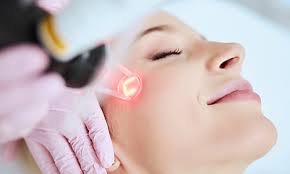
Laser skin rejuvenation remains a cornerstone of aesthetic dermatology and cosmetic surgery, offering targeted approaches to photoaging, pigmentation disorders, and textural irregularities. This review synthesizes current comparative evidence for fractional and picosecond lasers, examines the regulatory landscape in the United States, explores emerging AI-guided and hybrid technologies, and identifies priority research gaps—particularly the need for inclusive, long-term studies across diverse skin types.
Evidence Synthesis: Fractional vs. Picosecond Laser Efficacy in Photoaging and Pigmentary Disorders
Definition and Clinical Scope
Fractional lasers (ablative and non-ablative) produce microscopic treatment zones to stimulate collagen remodeling, whereas picosecond lasers deliver ultra-short pulses for predominantly photomechanical disruption of pigment and tattoo ink with limited bulk thermal injury. Both classes are important tools in treating photoaging, acne scarring, solar lentigines, melasma, and other pigmentary disorders.
Comparative Efficacy of Fractional Lasers for Photoaging and Pigmentary Disorders
Fractional CO₂ and fractional erbium resurfacing demonstrate consistent benefits for wrinkle reduction and skin tightening by inducing controlled dermal injury and subsequent neocollagenesis. Meta-analyses of fractional ablative devices show objective wrinkle improvement typically reported in the range of 20–50% across studies using validated scales, with higher efficacy correlated with deeper dermal remodeling but also greater downtime and higher adverse event rates. Non-ablative fractional lasers (e.g., fractional 1550 nm) offer more favorable recovery profiles with moderate clinical improvement and are often chosen for Fitzpatrick I–III patients seeking reduced downtime.
Picosecond Laser Performance in Pigment-Specific Conditions
Picosecond devices (e.g., 755 nm, 1064 nm, and hybrid wavelengths) excel at photomechanical fragmentation of pigment particles and tattoo ink, producing faster clearance with less thermal collateral damage compared with traditional Q-switched nanosecond systems. Clinical series and controlled trials report faster pigment clearance and reduced post-inflammatory hyperpigmentation (PIH) after picosecond treatment for nevus of Ota, café-au-lait macules, and refractory solar lentigines in many patient cohorts. For melasma, however, evidence is heterogeneous—picosecond lasers can reduce epidermal pigment but recurrence rates remain significant without strict adjunctive therapy and sun protection.
Patient Selection Criteria and Evidence-Based Treatment Protocols
Optimal selection integrates Fitzpatrick skin type, anatomic site, baseline photodamage, and patient tolerance for downtime. Guidelines supported by clinical studies recommend conservative fluence and test spots for higher Fitzpatrick types (IV–VI) to minimize PIH. Typical fractional regimens span 1–3 sessions for non-ablative fractional lasers (spaced 4–6 weeks) and 1–2 sessions for deeper ablative fractional CO₂ (spaced 3–6 months), while picosecond laser courses for pigment clearance often require 3–6 sessions at 4–8 week intervals depending on pigment depth. Combination strategies—fractional laser for texture and picosecond for pigment—show synergistic outcomes in selected cohorts, though randomized head-to-head comparative trials remain limited.